Buy gleitschirmfliegen.eu ?
We are moving the project
gleitschirmfliegen.eu .
Are you interested in purchasing the domain
gleitschirmfliegen.eu ?
domain@kv-gmbh.de · 0541-91531010
Buy gleitschirmfliegen.eu ?
Can cold rise upwards?
No, cold air does not rise upwards. In fact, cold air is denser than warm air, so it tends to sink. This is why you often feel colder air near the ground and warmer air higher up in the atmosphere. The movement of air, including rising and sinking, is primarily driven by differences in temperature and pressure. **
Does water flow upwards?
No, water does not flow upwards on its own. Water flows in the direction of gravity, which is typically downwards. However, in certain situations, such as in a capillary tube or in plants through a process called capillary action, water can appear to flow upwards due to the forces of adhesion and cohesion. But in general, water does not naturally flow upwards. **


Similar search terms for Upwards
Top-Angebote
Products related to Upwards:
-
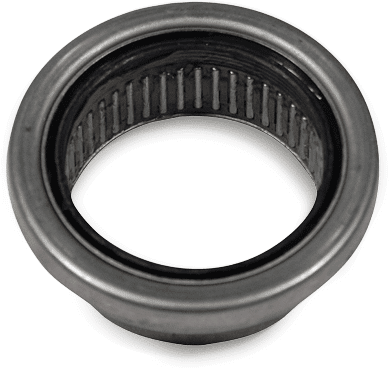
KAWE 10037 Pilot bearing, clutchParameter: LL; Outer Diameter 1 [mm]: 24; Width [mm]: 16; Inner Diameter [mm]: 18; Construction Year to: 12/1987, 07/1989, 07/1986; Construction Year from: 01/1988, 01/1985; Engine Number to: 049108, 001281, 002861; Vehicle Identification Number (VIN) to: K#150000; TecDoc Engine Number: 331, 937516,99 £*Shipping: 8,45 £Secure redirect to the provider



-
What is a paragliding tandem pilot?
A paragliding tandem pilot is an experienced and certified individual who is responsible for flying a tandem paraglider with a passenger. They are trained to safely navigate the paraglider through the air, control its speed and direction, and ensure a smooth and enjoyable flight for the passenger. Tandem pilots must have a deep understanding of paragliding techniques, weather conditions, and safety protocols to provide a memorable and secure experience for their passengers. **
-
Why do trees grow upwards?
Trees grow upwards towards the sunlight in a process called phototropism. This is because trees need sunlight for photosynthesis, which is the process that allows them to produce their own food. By growing upwards, trees can maximize their exposure to sunlight and ensure that their leaves receive the necessary light energy for photosynthesis. Additionally, growing upwards allows trees to compete with other plants for sunlight and avoid shading each other out. **
-
Has the bread bent upwards?
No, bread does not typically bend upwards. Bread is a solid object and does not have the flexibility to bend in that direction. If the bread appears to be bending upwards, it may be due to external forces or factors such as uneven baking, improper storage, or a defect in the bread itself. **
-
Why do flames burn upwards?
Flames burn upwards due to the process of convection. When a fuel source, such as wood or gas, is ignited, the heat from the flame causes the surrounding air to become hot and rise. As the hot air rises, it creates a flow of air that pulls more oxygen into the base of the flame, allowing it to continue burning. This convection process creates a continuous upward flow of hot air, which causes the flame to burn upwards. **


Which useful plant climbs upwards?
One useful plant that climbs upwards is the vine. Vines are known for their ability to climb and attach themselves to structures or other plants using tendrils, aerial roots, or twining stems. Some examples of useful climbing vines include grapes, which are used for making wine, and beans, which are a valuable source of protein and other nutrients. Additionally, certain types of ivy and jasmine are also popular ornamental climbing plants in gardens and landscapes. **
Does split ends grow upwards?
No, split ends do not grow upwards. Split ends occur when the hair shaft splits at the end, usually due to damage or breakage. As the hair continues to grow, the split end will remain at the same spot until it is trimmed off. It is important to regularly trim split ends to prevent them from traveling up the hair shaft and causing further damage. **
Top-Angebote
Products related to Upwards:
-
KAWE 10005 Pilot bearing, clutchParameter: LL; Height: 15; Inner Diameter [mm]: 15; Outer Diameter [mm]: 21; Construction Year from: 04/1988, 09/1975; Construction Year to: 11/1995, 06/1976; Engine Number to: 207630, 073818; TecDoc Engine Number: 4996, 5014, 5017, 305, 15989; Vehicle Identification Number (VIN) from: 1#0000016,29 £*Shipping: 8,45 £Secure redirect to the provider
-
KAWE 10037 Pilot bearing, clutchParameter: LL; Outer Diameter 1 [mm]: 24; Width [mm]: 16; Inner Diameter [mm]: 18; Construction Year to: 12/1987, 07/1989, 07/1986; Construction Year from: 01/1988, 01/1985; Engine Number to: 049108, 001281, 002861; Vehicle Identification Number (VIN) to: K#150000; TecDoc Engine Number: 331, 937516,99 £*Shipping: 8,45 £Secure redirect to the provider
-
Can cold rise upwards?
No, cold air does not rise upwards. In fact, cold air is denser than warm air, so it tends to sink. This is why you often feel colder air near the ground and warmer air higher up in the atmosphere. The movement of air, including rising and sinking, is primarily driven by differences in temperature and pressure. **
-
Does water flow upwards?
No, water does not flow upwards on its own. Water flows in the direction of gravity, which is typically downwards. However, in certain situations, such as in a capillary tube or in plants through a process called capillary action, water can appear to flow upwards due to the forces of adhesion and cohesion. But in general, water does not naturally flow upwards. **
-
What is a paragliding tandem pilot?
A paragliding tandem pilot is an experienced and certified individual who is responsible for flying a tandem paraglider with a passenger. They are trained to safely navigate the paraglider through the air, control its speed and direction, and ensure a smooth and enjoyable flight for the passenger. Tandem pilots must have a deep understanding of paragliding techniques, weather conditions, and safety protocols to provide a memorable and secure experience for their passengers. **
-
Why do trees grow upwards?
Trees grow upwards towards the sunlight in a process called phototropism. This is because trees need sunlight for photosynthesis, which is the process that allows them to produce their own food. By growing upwards, trees can maximize their exposure to sunlight and ensure that their leaves receive the necessary light energy for photosynthesis. Additionally, growing upwards allows trees to compete with other plants for sunlight and avoid shading each other out. **
Similar search terms for Upwards
-
Has the bread bent upwards?
No, bread does not typically bend upwards. Bread is a solid object and does not have the flexibility to bend in that direction. If the bread appears to be bending upwards, it may be due to external forces or factors such as uneven baking, improper storage, or a defect in the bread itself. **
-
Why do flames burn upwards?
Flames burn upwards due to the process of convection. When a fuel source, such as wood or gas, is ignited, the heat from the flame causes the surrounding air to become hot and rise. As the hot air rises, it creates a flow of air that pulls more oxygen into the base of the flame, allowing it to continue burning. This convection process creates a continuous upward flow of hot air, which causes the flame to burn upwards. **
-
Which useful plant climbs upwards?
One useful plant that climbs upwards is the vine. Vines are known for their ability to climb and attach themselves to structures or other plants using tendrils, aerial roots, or twining stems. Some examples of useful climbing vines include grapes, which are used for making wine, and beans, which are a valuable source of protein and other nutrients. Additionally, certain types of ivy and jasmine are also popular ornamental climbing plants in gardens and landscapes. **
-
Does split ends grow upwards?
No, split ends do not grow upwards. Split ends occur when the hair shaft splits at the end, usually due to damage or breakage. As the hair continues to grow, the split end will remain at the same spot until it is trimmed off. It is important to regularly trim split ends to prevent them from traveling up the hair shaft and causing further damage. **
* All prices are inclusive of VAT and, if applicable, plus shipping costs. The offer information is based on the details provided by the respective shop and is updated through automated processes. Real-time updates do not occur, so deviations can occur in individual cases. ** Note: Parts of this content were created by AI.