Buy gleitschirmfliegen.eu ?
We are moving the project
gleitschirmfliegen.eu .
Are you interested in purchasing the domain
gleitschirmfliegen.eu ?
domain@kv-gmbh.de · 0541-91531010
Buy gleitschirmfliegen.eu ?
How to create a titration curve of a conductivity titration?
To create a titration curve of a conductivity titration, you would first need to set up your titration apparatus with a conductivity meter. Begin by measuring the initial conductivity of the solution being titrated. As you add titrant incrementally, record the conductivity at each point. Plot the conductivity values against the volume of titrant added to create a titration curve. The curve will typically show a sharp increase in conductivity at the equivalence point, allowing you to determine the endpoint of the titration. **
How does a titration with the degree of titration work?
A titration with the degree of titration works by gradually adding a titrant of known concentration to a solution of the analyte until the reaction between the two is complete. The point at which the reaction is complete is determined by using an indicator or a pH meter. The amount of titrant required to reach this point is used to calculate the concentration of the analyte in the original solution. The degree of titration refers to the extent to which the reaction has progressed and is typically expressed as a percentage. **

Similar search terms for Titration
Top-Angebote
Products related to Titration:
-
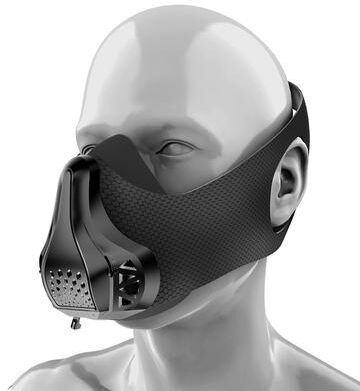
ModernMart Altitude Boost Training Mask For Running, Cardio & Endurance Fitness Altitude Boost Training Mask For Running, Cardio & Endurance FitnessBuilt to push limits, this _training mask_ transforms everyday workouts into highintensity performance sessions. Designed for runners, cyclists, gym athletes, and endurance trainers, it uses adjustable airflow resistance to help strengthen breathing...44,97 $*Shipping: 0,00 $Secure redirect to the provider


-
How does titration work?
Titration is a technique used in chemistry to determine the concentration of a specific substance in a solution. It involves slowly adding a solution of known concentration (titrant) to a solution of unknown concentration until the reaction between the two is complete. This is typically indicated by a color change or other observable change. By measuring the volume of titrant required to reach the endpoint, the concentration of the unknown solution can be calculated using stoichiometry. **
-
What is a titration?
A titration is a laboratory technique used to determine the concentration of a specific substance in a solution. It involves slowly adding a solution of known concentration (titrant) to a solution of unknown concentration until the reaction between the two is complete. The point at which the reaction is complete is called the equivalence point, which is used to calculate the concentration of the unknown solution. Titration is commonly used in chemistry for various purposes, such as determining the acidity or alkalinity of a solution. **
-
Can the titration volume be calculated without having performed the titration beforehand?
No, the titration volume cannot be accurately calculated without having performed the titration beforehand. The titration volume is determined by the amount of titrant needed to reach the equivalence point, which can only be determined through the actual titration process. The titration volume is a crucial parameter in determining the concentration of the analyte in the sample, so it is essential to perform the titration to obtain this information accurately. **
-
What does a titration curve look like when no titration is performed?
When no titration is performed, a titration curve would simply be a straight horizontal line at the initial pH of the solution being tested. This is because there would be no addition of titrant to cause any changes in pH. The curve would remain flat and unchanging until a titrant is added to initiate the titration process. **

What is the difference between a pH-metric titration and an indicator titration?
A pH-metric titration involves the use of a pH meter to measure the pH of a solution as a titrant is added to it. This allows for a precise determination of the equivalence point of the titration. On the other hand, an indicator titration uses a chemical indicator that changes color at or near the equivalence point to signal the end of the titration. While pH-metric titrations provide more accurate and precise results, indicator titrations are simpler and more commonly used in introductory chemistry labs. **
What is a back titration?
A back titration is a technique used in analytical chemistry to determine the concentration of an analyte that reacts slowly or incompletely with a direct titration method. It involves adding an excess of a known reagent to the analyte, allowing the reaction to proceed, and then titrating the excess reagent that did not react with a second titrant. By measuring the amount of the second titrant required to react with the excess reagent, the concentration of the analyte can be calculated. Back titrations are particularly useful when the analyte is volatile, weakly acidic or basic, or when there are interfering substances present. **
Top-Angebote
Products related to Titration:
-
Nosy Crow Bizzy Bear Series 5 Books Collection Bundle Set(Fun Park, Breakdown Truck, Aeroplane Pilot, Pirate Adventure & Dinosaur Safari)(With Sliders to Push aBizzy Bear Series 5 Books Collection Bundle Set(Fun Park, Breakdown Truck, Aeroplane Pilot, Pirate Adventure & Dinosaur Safari)(With Sliders to Push and Pull!): Bizzy Bear: Fun Park: An engaging little story with loads of details to spot and chat about.This story needs YOU! By pushing, pulling and turning the mechanisms, little hands can move the story onto the next scene and bring the rhyming text to life! Bizzy Bear: Breakdown Truck: When the rabbit family's car breaks down, who do they call? Bizzy Bear, of course! Little readers will love to use the chunky mechanisms to help him drive his breakdown truck, check the car's engine, and get the family safely home! An engaging little story with loads of details to spot and chat about. Bizzy Bear: Aeroplane Pilot: Bizzy Bear and his flight crew are taking to the skies! Little readers will love to use the chunky mechanisms to help Bizzy take off and land in this robust board book all about flying. With wonderfully detailed illustrations by Benji Davies, it's perfect for engaging the very young. Bizzy Bear: Pirate Adventure: All aboard with Bizzy Bear, as he sets sails on an exciting voyage to a desert island! Today, Bizzy Bear is packing his ship, hoisting the jolly roger and setting sail on an exciting pirate adventure! All little readers will love helping Bizzy steer his ship, dig for treasure and open the treasure chest. Bizzy Bear: Dinosaur Safari: Five easy to move sliders, a rhyming story and lots to spot and say in this series of bright, interactive board books for toddlers! On a visit to the Dinosaur Wildlife Park, Bizzy Bear discovers some interesting footprints. Where do they lead and to which dinosaur do they belong?14,99 £*Shipping: 2,99 £Secure redirect to the provider
-
How to create a titration curve of a conductivity titration?
To create a titration curve of a conductivity titration, you would first need to set up your titration apparatus with a conductivity meter. Begin by measuring the initial conductivity of the solution being titrated. As you add titrant incrementally, record the conductivity at each point. Plot the conductivity values against the volume of titrant added to create a titration curve. The curve will typically show a sharp increase in conductivity at the equivalence point, allowing you to determine the endpoint of the titration. **
-
How does a titration with the degree of titration work?
A titration with the degree of titration works by gradually adding a titrant of known concentration to a solution of the analyte until the reaction between the two is complete. The point at which the reaction is complete is determined by using an indicator or a pH meter. The amount of titrant required to reach this point is used to calculate the concentration of the analyte in the original solution. The degree of titration refers to the extent to which the reaction has progressed and is typically expressed as a percentage. **
-
How does titration work?
Titration is a technique used in chemistry to determine the concentration of a specific substance in a solution. It involves slowly adding a solution of known concentration (titrant) to a solution of unknown concentration until the reaction between the two is complete. This is typically indicated by a color change or other observable change. By measuring the volume of titrant required to reach the endpoint, the concentration of the unknown solution can be calculated using stoichiometry. **
-
What is a titration?
A titration is a laboratory technique used to determine the concentration of a specific substance in a solution. It involves slowly adding a solution of known concentration (titrant) to a solution of unknown concentration until the reaction between the two is complete. The point at which the reaction is complete is called the equivalence point, which is used to calculate the concentration of the unknown solution. Titration is commonly used in chemistry for various purposes, such as determining the acidity or alkalinity of a solution. **
Similar search terms for Titration
-
ModernMart Altitude Boost Training Mask For Running, Cardio & Endurance Fitness Altitude Boost Training Mask For Running, Cardio & Endurance FitnessBuilt to push limits, this _training mask_ transforms everyday workouts into highintensity performance sessions. Designed for runners, cyclists, gym athletes, and endurance trainers, it uses adjustable airflow resistance to help strengthen breathing...44,97 $*Shipping: 0,00 $Secure redirect to the provider
-
Viz Media JoJo's Bizarre Adventure Part 5- Golden Wind Series 4 Books Collection Set (Vol 6-9) by Hirohiko ArakiJoJo's Bizarre Adventure Part 5- Golden Wind Volumes 6 - 9: JoJo's Bizarre Adventure Part 5- Golden Wind Vol 6 The gang has managed to keep Trish alive so far, but only barely. As their desperate mission continues, Giorno and his allies risk their lives again and again. Now, something different is happening. They may finally gain the upper hand when Trish begins to show signs of a hidden power herself… JoJo's Bizarre Adventure Part 5- Golden Wind Vol 7 There is no progress without sacrifice… Giorno and the gang have survived long enough to secure an earth-shattering secret about the boss, but it may cost them their lives! Then, Bruno Bucciarati faces off alone against a powerful enemy, but a face from the past emerges during the bitter battle. Is this the surprise return of an old friend or the introduction of a new foe?! JoJo's Bizarre Adventure Part 5- Golden Wind Vol 8 Secco and Bruno Bucciarati are going head-to-head, quickly shifting between traveling underground and through zippers with their Stand powers in an attempt to gain the upper hand. Bucciarati has never faced a threat like this, but will the mysterious changes to his body and his enemy’s overwhelming power crush him, or can he eke out a win just in time? JoJo's Bizarre Adventure Part 5- Golden Wind Vol 9 Giorno Giovanna, Bruno Bucciarati, and the surviving members of the gang have found themselves in the presence of the Boss, and his Stand ability appears to be invincible. After a long fight across Italy, after surviving so many battles and losing so many friends, the gang may not have a chance…but they haven’t given up yet, and they don’t plan to now. They’ll need everything they’ve got—and maybe even a whole lot more than that—to survive what the Boss has in store for them!42,95 £*Shipping: 0,00 £Secure redirect to the provider
-
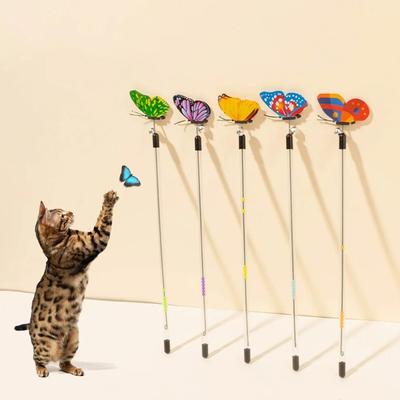
Uplift Essentials "Retractable ""Spring Flight"" Butterfly Teaser Wand Retractable ""Spring Flight"" Butterfly Teaser Wand""Ignite your cats predatory drive with the Retractable ""SpringFlight"" Butterfly Teaser Wand. This highperformance interactive pole is designed to mimic the erratic, fluttering movement of a real butterfly, providing the ultimate ""airhunt"" experience..."34,97 $*Shipping: 0,00 $Secure redirect to the provider
-
Can the titration volume be calculated without having performed the titration beforehand?
No, the titration volume cannot be accurately calculated without having performed the titration beforehand. The titration volume is determined by the amount of titrant needed to reach the equivalence point, which can only be determined through the actual titration process. The titration volume is a crucial parameter in determining the concentration of the analyte in the sample, so it is essential to perform the titration to obtain this information accurately. **
-
What does a titration curve look like when no titration is performed?
When no titration is performed, a titration curve would simply be a straight horizontal line at the initial pH of the solution being tested. This is because there would be no addition of titrant to cause any changes in pH. The curve would remain flat and unchanging until a titrant is added to initiate the titration process. **
-
What is the difference between a pH-metric titration and an indicator titration?
A pH-metric titration involves the use of a pH meter to measure the pH of a solution as a titrant is added to it. This allows for a precise determination of the equivalence point of the titration. On the other hand, an indicator titration uses a chemical indicator that changes color at or near the equivalence point to signal the end of the titration. While pH-metric titrations provide more accurate and precise results, indicator titrations are simpler and more commonly used in introductory chemistry labs. **
-
What is a back titration?
A back titration is a technique used in analytical chemistry to determine the concentration of an analyte that reacts slowly or incompletely with a direct titration method. It involves adding an excess of a known reagent to the analyte, allowing the reaction to proceed, and then titrating the excess reagent that did not react with a second titrant. By measuring the amount of the second titrant required to react with the excess reagent, the concentration of the analyte can be calculated. Back titrations are particularly useful when the analyte is volatile, weakly acidic or basic, or when there are interfering substances present. **
* All prices are inclusive of VAT and, if applicable, plus shipping costs. The offer information is based on the details provided by the respective shop and is updated through automated processes. Real-time updates do not occur, so deviations can occur in individual cases. ** Note: Parts of this content were created by AI.