Buy gleitschirmfliegen.eu ?
We are moving the project
gleitschirmfliegen.eu .
Are you interested in purchasing the domain
gleitschirmfliegen.eu ?
domain@kv-gmbh.de · 0541-91531010
Buy gleitschirmfliegen.eu ?
How can the tempering colors be maintained?
The tempering colors on metal can be maintained by avoiding exposure to high temperatures, such as those reached during welding or heat treatment processes. It is important to store and handle tempered metal carefully to prevent scratching or abrasion that could remove the tempering colors. Additionally, applying a protective coating or sealant can help to preserve the tempering colors and prevent oxidation or corrosion. Regular cleaning and maintenance of the metal surface can also help to maintain the tempering colors over time. **
What is the difference between hardening and tempering?
Hardening is a process of heating steel to a high temperature and then rapidly cooling it to increase its hardness and strength. Tempering, on the other hand, involves reheating the hardened steel to a lower temperature to reduce its hardness and increase its toughness. Hardening makes the steel harder but more brittle, while tempering helps to balance the hardness and toughness of the steel for specific applications. **


Similar search terms for Tempering
Top-Angebote
Products related to Tempering:
-
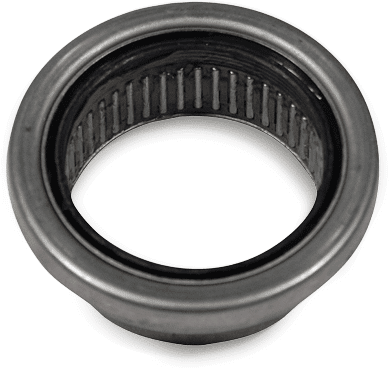
KAWE 10037 Pilot bearing, clutchParameter: LL; Outer Diameter 1 [mm]: 24; Width [mm]: 16; Inner Diameter [mm]: 18; Construction Year to: 12/1987, 07/1989, 07/1986; Construction Year from: 01/1988, 01/1985; Engine Number to: 049108, 001281, 002861; Vehicle Identification Number (VIN) to: K#150000; TecDoc Engine Number: 331, 937516,99 £*Shipping: 8,45 £Secure redirect to the provider



-
Is tempering and precipitation hardening essentially the same thing?
Tempering and precipitation hardening are not essentially the same thing. Tempering involves heating a material to a specific temperature and then cooling it, which helps to reduce the hardness and increase the toughness of the material. On the other hand, precipitation hardening involves a series of steps including solution treatment, quenching, and aging, which results in the formation of precipitates that increase the strength and hardness of the material. While both processes aim to improve the mechanical properties of a material, they involve different mechanisms and steps. **
-
What is a paragliding tandem pilot?
A paragliding tandem pilot is an experienced and certified individual who is responsible for flying a tandem paraglider with a passenger. They are trained to safely navigate the paraglider through the air, control its speed and direction, and ensure a smooth and enjoyable flight for the passenger. Tandem pilots must have a deep understanding of paragliding techniques, weather conditions, and safety protocols to provide a memorable and secure experience for their passengers. **
-
Does paragliding work solely through wind energy?
No, paragliding does not work solely through wind energy. While wind plays a crucial role in paragliding by providing lift and allowing the glider to stay airborne, the sport also relies on the pilot's skill in controlling the glider and using thermals (rising columns of warm air) to gain altitude. Additionally, the pilot can use the glider's speed and the shape of the terrain to maintain flight, meaning that paragliding is not solely dependent on wind energy. **
-
How are the tempering colors created and why do they disappear with higher heat?
Tempering colors are created on the surface of steel when it is heated to specific temperatures. These colors are a result of the thin oxide layers that form on the steel at different temperature ranges. As the steel is heated to higher temperatures, these oxide layers become thicker and eventually start to disappear due to further oxidation and changes in the crystal structure of the steel. This is why tempering colors disappear with higher heat, as the oxide layers are no longer stable and are either absorbed back into the steel or are removed through further heating. **

How are the tempering colors formed and why do they disappear with increased heat?
Tempering colors are formed on the surface of steel when it is heated to specific temperatures. These colors are a result of the thin oxide layers that form on the steel at different temperature ranges. As the steel is heated further, these oxide layers continue to thicken and eventually disappear due to the increased heat causing the oxidation process to accelerate. This results in the tempering colors disappearing as the steel reaches higher temperatures. **
How are the tempering colors created and why do they disappear with increased heat?
Tempering colors are created on the surface of metal when it is heated to a specific temperature range. These colors are a result of the thin oxide layers that form on the metal surface as it is heated. The colors are produced due to the interference of light waves reflecting off these oxide layers. As the metal is heated further, these oxide layers continue to grow thicker and eventually disappear, causing the tempering colors to fade away. This happens because the increased heat causes the oxide layers to react further with the metal, altering their composition and thickness. **
Top-Angebote
Products related to Tempering:
-
KAWE 10005 Pilot bearing, clutchParameter: LL; Height: 15; Inner Diameter [mm]: 15; Outer Diameter [mm]: 21; Construction Year from: 04/1988, 09/1975; Construction Year to: 11/1995, 06/1976; Engine Number to: 207630, 073818; TecDoc Engine Number: 4996, 5014, 5017, 305, 15989; Vehicle Identification Number (VIN) from: 1#0000016,29 £*Shipping: 8,45 £Secure redirect to the provider
-
KAWE 10037 Pilot bearing, clutchParameter: LL; Outer Diameter 1 [mm]: 24; Width [mm]: 16; Inner Diameter [mm]: 18; Construction Year to: 12/1987, 07/1989, 07/1986; Construction Year from: 01/1988, 01/1985; Engine Number to: 049108, 001281, 002861; Vehicle Identification Number (VIN) to: K#150000; TecDoc Engine Number: 331, 937516,99 £*Shipping: 8,45 £Secure redirect to the provider
-
How can the tempering colors be maintained?
The tempering colors on metal can be maintained by avoiding exposure to high temperatures, such as those reached during welding or heat treatment processes. It is important to store and handle tempered metal carefully to prevent scratching or abrasion that could remove the tempering colors. Additionally, applying a protective coating or sealant can help to preserve the tempering colors and prevent oxidation or corrosion. Regular cleaning and maintenance of the metal surface can also help to maintain the tempering colors over time. **
-
What is the difference between hardening and tempering?
Hardening is a process of heating steel to a high temperature and then rapidly cooling it to increase its hardness and strength. Tempering, on the other hand, involves reheating the hardened steel to a lower temperature to reduce its hardness and increase its toughness. Hardening makes the steel harder but more brittle, while tempering helps to balance the hardness and toughness of the steel for specific applications. **
-
Is tempering and precipitation hardening essentially the same thing?
Tempering and precipitation hardening are not essentially the same thing. Tempering involves heating a material to a specific temperature and then cooling it, which helps to reduce the hardness and increase the toughness of the material. On the other hand, precipitation hardening involves a series of steps including solution treatment, quenching, and aging, which results in the formation of precipitates that increase the strength and hardness of the material. While both processes aim to improve the mechanical properties of a material, they involve different mechanisms and steps. **
-
What is a paragliding tandem pilot?
A paragliding tandem pilot is an experienced and certified individual who is responsible for flying a tandem paraglider with a passenger. They are trained to safely navigate the paraglider through the air, control its speed and direction, and ensure a smooth and enjoyable flight for the passenger. Tandem pilots must have a deep understanding of paragliding techniques, weather conditions, and safety protocols to provide a memorable and secure experience for their passengers. **
Similar search terms for Tempering
-
Does paragliding work solely through wind energy?
No, paragliding does not work solely through wind energy. While wind plays a crucial role in paragliding by providing lift and allowing the glider to stay airborne, the sport also relies on the pilot's skill in controlling the glider and using thermals (rising columns of warm air) to gain altitude. Additionally, the pilot can use the glider's speed and the shape of the terrain to maintain flight, meaning that paragliding is not solely dependent on wind energy. **
-
How are the tempering colors created and why do they disappear with higher heat?
Tempering colors are created on the surface of steel when it is heated to specific temperatures. These colors are a result of the thin oxide layers that form on the steel at different temperature ranges. As the steel is heated to higher temperatures, these oxide layers become thicker and eventually start to disappear due to further oxidation and changes in the crystal structure of the steel. This is why tempering colors disappear with higher heat, as the oxide layers are no longer stable and are either absorbed back into the steel or are removed through further heating. **
-
How are the tempering colors formed and why do they disappear with increased heat?
Tempering colors are formed on the surface of steel when it is heated to specific temperatures. These colors are a result of the thin oxide layers that form on the steel at different temperature ranges. As the steel is heated further, these oxide layers continue to thicken and eventually disappear due to the increased heat causing the oxidation process to accelerate. This results in the tempering colors disappearing as the steel reaches higher temperatures. **
-
How are the tempering colors created and why do they disappear with increased heat?
Tempering colors are created on the surface of metal when it is heated to a specific temperature range. These colors are a result of the thin oxide layers that form on the metal surface as it is heated. The colors are produced due to the interference of light waves reflecting off these oxide layers. As the metal is heated further, these oxide layers continue to grow thicker and eventually disappear, causing the tempering colors to fade away. This happens because the increased heat causes the oxide layers to react further with the metal, altering their composition and thickness. **
* All prices are inclusive of VAT and, if applicable, plus shipping costs. The offer information is based on the details provided by the respective shop and is updated through automated processes. Real-time updates do not occur, so deviations can occur in individual cases. ** Note: Parts of this content were created by AI.