Buy gleitschirmfliegen.eu ?
We are moving the project
gleitschirmfliegen.eu .
Are you interested in purchasing the domain
gleitschirmfliegen.eu ?
domain@kv-gmbh.de · 0541-91531010
Buy gleitschirmfliegen.eu ?
What is Dutch vocal polyphony?
Dutch vocal polyphony is a style of music that emerged in the Netherlands during the Renaissance period. It is characterized by the use of multiple independent vocal lines, each with its own melody, rhythm, and text, creating rich harmonies and intricate textures. Dutch composers such as Jan Pieterszoon Sweelinck were known for their contributions to this genre, which was popular in both sacred and secular settings. The use of vocal polyphony allowed for a high level of expressiveness and complexity in the music, making it a significant part of the Dutch musical tradition. **
Can someone explain polyphony to me?
Polyphony is a musical texture that features two or more independent melodic lines played or sung simultaneously. Each line has its own rhythm and contour, and they interact with each other to create a rich and complex sound. Polyphony is often associated with Renaissance and Baroque music, and it requires a high level of skill and coordination from the performers to maintain the independence of the different voices. This texture contrasts with homophony, where all voices move together in harmony, and monophony, where there is only one melodic line. **


Similar search terms for Polyphony
Top-Angebote
Products related to Polyphony:
-
ModernMart Altitude Boost Training Mask For Running, Cardio & Endurance Fitness Altitude Boost Training Mask For Running, Cardio & Endurance FitnessBuilt to push limits, this _training mask_ transforms everyday workouts into highintensity performance sessions. Designed for runners, cyclists, gym athletes, and endurance trainers, it uses adjustable airflow resistance to help strengthen breathing...44,97 $*Shipping: 0,00 $Secure redirect to the provider
-
Viz Media JoJo's Bizarre Adventure Part 5- Golden Wind Series 4 Books Collection Set (Vol 6-9) by Hirohiko ArakiJoJo's Bizarre Adventure Part 5- Golden Wind Volumes 6 - 9: JoJo's Bizarre Adventure Part 5- Golden Wind Vol 6 The gang has managed to keep Trish alive so far, but only barely. As their desperate mission continues, Giorno and his allies risk their lives again and again. Now, something different is happening. They may finally gain the upper hand when Trish begins to show signs of a hidden power herself… JoJo's Bizarre Adventure Part 5- Golden Wind Vol 7 There is no progress without sacrifice… Giorno and the gang have survived long enough to secure an earth-shattering secret about the boss, but it may cost them their lives! Then, Bruno Bucciarati faces off alone against a powerful enemy, but a face from the past emerges during the bitter battle. Is this the surprise return of an old friend or the introduction of a new foe?! JoJo's Bizarre Adventure Part 5- Golden Wind Vol 8 Secco and Bruno Bucciarati are going head-to-head, quickly shifting between traveling underground and through zippers with their Stand powers in an attempt to gain the upper hand. Bucciarati has never faced a threat like this, but will the mysterious changes to his body and his enemy’s overwhelming power crush him, or can he eke out a win just in time? JoJo's Bizarre Adventure Part 5- Golden Wind Vol 9 Giorno Giovanna, Bruno Bucciarati, and the surviving members of the gang have found themselves in the presence of the Boss, and his Stand ability appears to be invincible. After a long fight across Italy, after surviving so many battles and losing so many friends, the gang may not have a chance…but they haven’t given up yet, and they don’t plan to now. They’ll need everything they’ve got—and maybe even a whole lot more than that—to survive what the Boss has in store for them!42,95 £*Shipping: 0,00 £Secure redirect to the provider




-
What is the difference between polyphony and homophony?
Polyphony is a musical texture where two or more independent melodic lines are played simultaneously. Each line has its own rhythm and melody, creating a complex and layered sound. Homophony, on the other hand, is a musical texture where all voices or instruments move together in harmony, supporting a single melody. In homophony, there is a clear distinction between the melody and the accompanying parts, creating a more unified and harmonious sound. **
-
Can you explain the history of early polyphony?
Early polyphony emerged in Western music during the medieval period, around the 9th century. It involved the simultaneous singing of two or more independent melodic lines. Initially, early polyphony was primarily found in sacred music, particularly in Gregorian chant. Over time, composers began to experiment with adding additional voices and creating more complex harmonies, leading to the development of intricate polyphonic compositions. This marked a significant shift from the monophonic music of the early Middle Ages and laid the foundation for the rich polyphonic textures of the Renaissance period. **
-
What does polyphony mean in a digital piano?
Polyphony in a digital piano refers to the number of individual notes or voices that the instrument can produce simultaneously. For example, if a digital piano has a polyphony of 64, it means that it can play up to 64 notes at the same time. This is important for more complex pieces of music that require multiple notes to be played at once, as a higher polyphony allows for a richer and more realistic sound. It is especially important for advanced players and composers who need to create intricate and layered compositions. **
-
What is the difference between homophony and polyphony?
Homophony is a musical texture in which a single melody is supported by a harmonic accompaniment, creating a clear distinction between the main melody and the supporting harmonies. Polyphony, on the other hand, is a musical texture in which two or more independent melodies are played or sung simultaneously, creating a more complex and layered sound. In homophony, all voices or instruments move together rhythmically, while in polyphony, each voice or instrument has its own rhythm and melodic independence. Overall, homophony emphasizes harmony and a clear main melody, while polyphony emphasizes the interplay of multiple independent melodies. **

What is the difference between polyphony and canon?
Polyphony refers to a musical texture where two or more independent melodic lines are played simultaneously. Each line has its own rhythm and melody, creating a rich and complex sound. On the other hand, a canon is a specific type of polyphonic composition where a melody is imitated by one or more voices at a fixed time interval. In a canon, the same melody is repeated by different voices, creating a layered and contrapuntal effect. While both polyphony and canon involve multiple independent voices, the key difference lies in the specific imitation of a melody in a canon. **
What is the difference between musical polyphony and counterpoint?
Musical polyphony refers to the simultaneous combination of two or more independent melodic lines, creating a texture where multiple voices are heard at the same time. Counterpoint, on the other hand, is the technique of writing music in which two or more melodic lines are interwoven and interact with each other. In other words, counterpoint is a specific method of creating polyphony, focusing on the relationship and interaction between the different melodic lines. While polyphony is a broader concept that encompasses any music with multiple independent voices, counterpoint specifically refers to the rules and techniques for writing and organizing those voices. **
Top-Angebote
Products related to Polyphony:
-
Nosy Crow Bizzy Bear Series 5 Books Collection Bundle Set(Fun Park, Breakdown Truck, Aeroplane Pilot, Pirate Adventure & Dinosaur Safari)(With Sliders to Push aBizzy Bear Series 5 Books Collection Bundle Set(Fun Park, Breakdown Truck, Aeroplane Pilot, Pirate Adventure & Dinosaur Safari)(With Sliders to Push and Pull!): Bizzy Bear: Fun Park: An engaging little story with loads of details to spot and chat about.This story needs YOU! By pushing, pulling and turning the mechanisms, little hands can move the story onto the next scene and bring the rhyming text to life! Bizzy Bear: Breakdown Truck: When the rabbit family's car breaks down, who do they call? Bizzy Bear, of course! Little readers will love to use the chunky mechanisms to help him drive his breakdown truck, check the car's engine, and get the family safely home! An engaging little story with loads of details to spot and chat about. Bizzy Bear: Aeroplane Pilot: Bizzy Bear and his flight crew are taking to the skies! Little readers will love to use the chunky mechanisms to help Bizzy take off and land in this robust board book all about flying. With wonderfully detailed illustrations by Benji Davies, it's perfect for engaging the very young. Bizzy Bear: Pirate Adventure: All aboard with Bizzy Bear, as he sets sails on an exciting voyage to a desert island! Today, Bizzy Bear is packing his ship, hoisting the jolly roger and setting sail on an exciting pirate adventure! All little readers will love helping Bizzy steer his ship, dig for treasure and open the treasure chest. Bizzy Bear: Dinosaur Safari: Five easy to move sliders, a rhyming story and lots to spot and say in this series of bright, interactive board books for toddlers! On a visit to the Dinosaur Wildlife Park, Bizzy Bear discovers some interesting footprints. Where do they lead and to which dinosaur do they belong?14,99 £*Shipping: 2,99 £Secure redirect to the provider
-
What is Dutch vocal polyphony?
Dutch vocal polyphony is a style of music that emerged in the Netherlands during the Renaissance period. It is characterized by the use of multiple independent vocal lines, each with its own melody, rhythm, and text, creating rich harmonies and intricate textures. Dutch composers such as Jan Pieterszoon Sweelinck were known for their contributions to this genre, which was popular in both sacred and secular settings. The use of vocal polyphony allowed for a high level of expressiveness and complexity in the music, making it a significant part of the Dutch musical tradition. **
-
Can someone explain polyphony to me?
Polyphony is a musical texture that features two or more independent melodic lines played or sung simultaneously. Each line has its own rhythm and contour, and they interact with each other to create a rich and complex sound. Polyphony is often associated with Renaissance and Baroque music, and it requires a high level of skill and coordination from the performers to maintain the independence of the different voices. This texture contrasts with homophony, where all voices move together in harmony, and monophony, where there is only one melodic line. **
-
What is the difference between polyphony and homophony?
Polyphony is a musical texture where two or more independent melodic lines are played simultaneously. Each line has its own rhythm and melody, creating a complex and layered sound. Homophony, on the other hand, is a musical texture where all voices or instruments move together in harmony, supporting a single melody. In homophony, there is a clear distinction between the melody and the accompanying parts, creating a more unified and harmonious sound. **
-
Can you explain the history of early polyphony?
Early polyphony emerged in Western music during the medieval period, around the 9th century. It involved the simultaneous singing of two or more independent melodic lines. Initially, early polyphony was primarily found in sacred music, particularly in Gregorian chant. Over time, composers began to experiment with adding additional voices and creating more complex harmonies, leading to the development of intricate polyphonic compositions. This marked a significant shift from the monophonic music of the early Middle Ages and laid the foundation for the rich polyphonic textures of the Renaissance period. **
Similar search terms for Polyphony
-
ModernMart Altitude Boost Training Mask For Running, Cardio & Endurance Fitness Altitude Boost Training Mask For Running, Cardio & Endurance FitnessBuilt to push limits, this _training mask_ transforms everyday workouts into highintensity performance sessions. Designed for runners, cyclists, gym athletes, and endurance trainers, it uses adjustable airflow resistance to help strengthen breathing...44,97 $*Shipping: 0,00 $Secure redirect to the provider
-
Viz Media JoJo's Bizarre Adventure Part 5- Golden Wind Series 4 Books Collection Set (Vol 6-9) by Hirohiko ArakiJoJo's Bizarre Adventure Part 5- Golden Wind Volumes 6 - 9: JoJo's Bizarre Adventure Part 5- Golden Wind Vol 6 The gang has managed to keep Trish alive so far, but only barely. As their desperate mission continues, Giorno and his allies risk their lives again and again. Now, something different is happening. They may finally gain the upper hand when Trish begins to show signs of a hidden power herself… JoJo's Bizarre Adventure Part 5- Golden Wind Vol 7 There is no progress without sacrifice… Giorno and the gang have survived long enough to secure an earth-shattering secret about the boss, but it may cost them their lives! Then, Bruno Bucciarati faces off alone against a powerful enemy, but a face from the past emerges during the bitter battle. Is this the surprise return of an old friend or the introduction of a new foe?! JoJo's Bizarre Adventure Part 5- Golden Wind Vol 8 Secco and Bruno Bucciarati are going head-to-head, quickly shifting between traveling underground and through zippers with their Stand powers in an attempt to gain the upper hand. Bucciarati has never faced a threat like this, but will the mysterious changes to his body and his enemy’s overwhelming power crush him, or can he eke out a win just in time? JoJo's Bizarre Adventure Part 5- Golden Wind Vol 9 Giorno Giovanna, Bruno Bucciarati, and the surviving members of the gang have found themselves in the presence of the Boss, and his Stand ability appears to be invincible. After a long fight across Italy, after surviving so many battles and losing so many friends, the gang may not have a chance…but they haven’t given up yet, and they don’t plan to now. They’ll need everything they’ve got—and maybe even a whole lot more than that—to survive what the Boss has in store for them!42,95 £*Shipping: 0,00 £Secure redirect to the provider
-
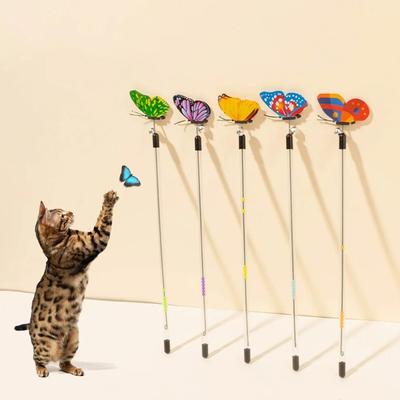
Uplift Essentials "Retractable ""Spring Flight"" Butterfly Teaser Wand Retractable ""Spring Flight"" Butterfly Teaser Wand""Ignite your cats predatory drive with the Retractable ""SpringFlight"" Butterfly Teaser Wand. This highperformance interactive pole is designed to mimic the erratic, fluttering movement of a real butterfly, providing the ultimate ""airhunt"" experience..."34,97 $*Shipping: 0,00 $Secure redirect to the provider
-
What does polyphony mean in a digital piano?
Polyphony in a digital piano refers to the number of individual notes or voices that the instrument can produce simultaneously. For example, if a digital piano has a polyphony of 64, it means that it can play up to 64 notes at the same time. This is important for more complex pieces of music that require multiple notes to be played at once, as a higher polyphony allows for a richer and more realistic sound. It is especially important for advanced players and composers who need to create intricate and layered compositions. **
-
What is the difference between homophony and polyphony?
Homophony is a musical texture in which a single melody is supported by a harmonic accompaniment, creating a clear distinction between the main melody and the supporting harmonies. Polyphony, on the other hand, is a musical texture in which two or more independent melodies are played or sung simultaneously, creating a more complex and layered sound. In homophony, all voices or instruments move together rhythmically, while in polyphony, each voice or instrument has its own rhythm and melodic independence. Overall, homophony emphasizes harmony and a clear main melody, while polyphony emphasizes the interplay of multiple independent melodies. **
-
What is the difference between polyphony and canon?
Polyphony refers to a musical texture where two or more independent melodic lines are played simultaneously. Each line has its own rhythm and melody, creating a rich and complex sound. On the other hand, a canon is a specific type of polyphonic composition where a melody is imitated by one or more voices at a fixed time interval. In a canon, the same melody is repeated by different voices, creating a layered and contrapuntal effect. While both polyphony and canon involve multiple independent voices, the key difference lies in the specific imitation of a melody in a canon. **
-
What is the difference between musical polyphony and counterpoint?
Musical polyphony refers to the simultaneous combination of two or more independent melodic lines, creating a texture where multiple voices are heard at the same time. Counterpoint, on the other hand, is the technique of writing music in which two or more melodic lines are interwoven and interact with each other. In other words, counterpoint is a specific method of creating polyphony, focusing on the relationship and interaction between the different melodic lines. While polyphony is a broader concept that encompasses any music with multiple independent voices, counterpoint specifically refers to the rules and techniques for writing and organizing those voices. **
* All prices are inclusive of VAT and, if applicable, plus shipping costs. The offer information is based on the details provided by the respective shop and is updated through automated processes. Real-time updates do not occur, so deviations can occur in individual cases. ** Note: Parts of this content were created by AI.