Buy gleitschirmfliegen.eu ?
We are moving the project
gleitschirmfliegen.eu .
Are you interested in purchasing the domain
gleitschirmfliegen.eu ?
domain@kv-gmbh.de · 0541-91531010
Buy gleitschirmfliegen.eu ?
What is the difference between wind and insect pollination?
Wind pollination occurs when pollen is carried from one plant to another by the wind, while insect pollination occurs when pollen is transferred by insects such as bees, butterflies, or beetles. Wind-pollinated plants typically have small, inconspicuous flowers with anthers that release large amounts of lightweight pollen, while insect-pollinated plants often have brightly colored, fragrant flowers with sticky pollen that adheres to the bodies of visiting insects. Additionally, wind-pollinated plants do not need to produce nectar or attract pollinators, while insect-pollinated plants often rely on nectar and other rewards to attract and encourage insect visitors. **
What is the difference between self-pollination and cross-pollination?
Self-pollination occurs when pollen from the same plant fertilizes the ovules within the same flower or between different flowers on the same plant. This can happen through the transfer of pollen by wind, water, or self-pollinating mechanisms. On the other hand, cross-pollination involves the transfer of pollen from the male reproductive organ of one plant to the female reproductive organ of another plant of the same species. This process promotes genetic diversity and can result in stronger, more resilient offspring. **


Similar search terms for Pollination
Top-Angebote
Products related to Pollination:
-
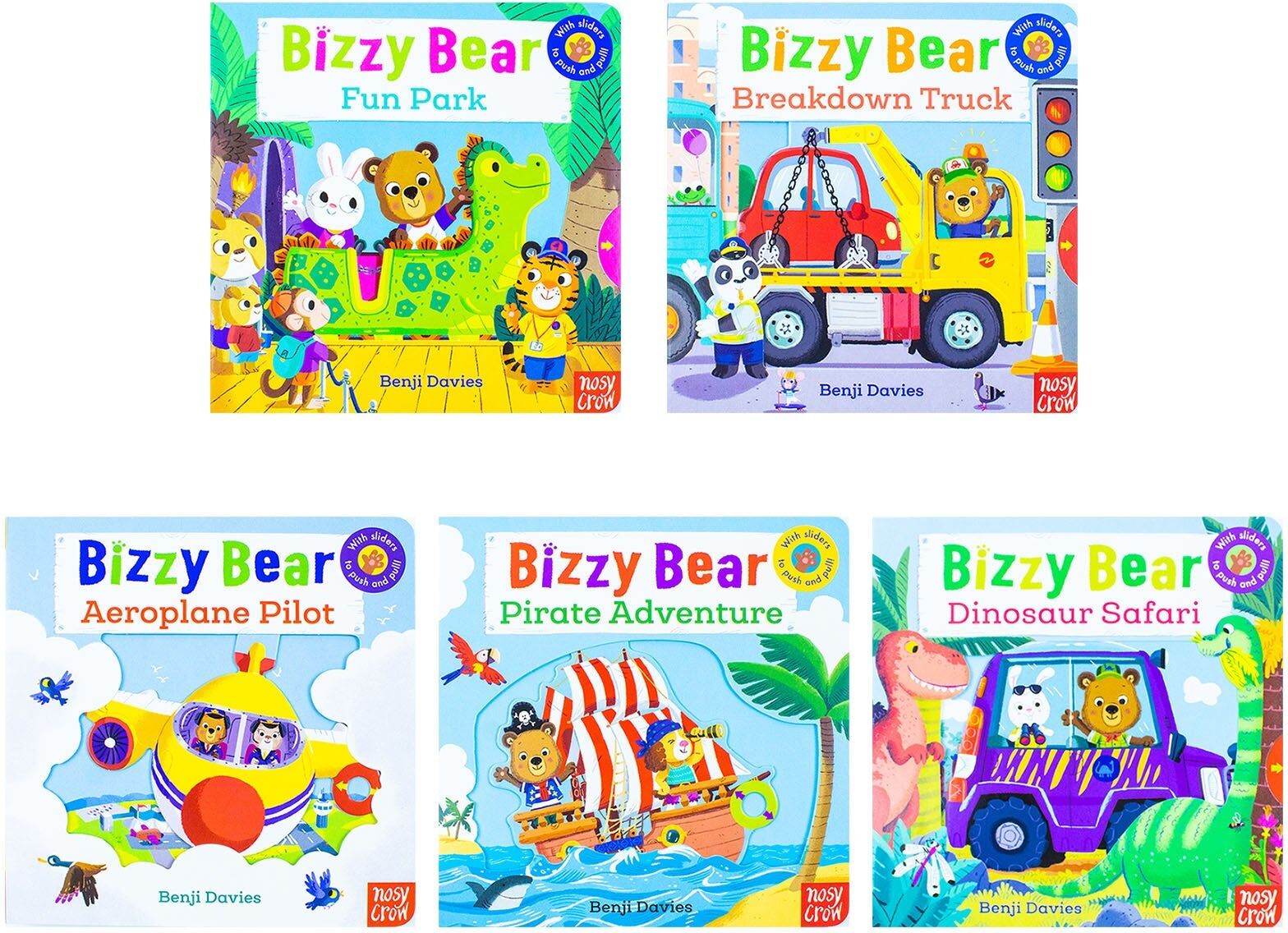
Nosy Crow Bizzy Bear Series 5 Books Collection Bundle Set(Fun Park, Breakdown Truck, Aeroplane Pilot, Pirate Adventure & Dinosaur Safari)(With Sliders to Push aBizzy Bear Series 5 Books Collection Bundle Set(Fun Park, Breakdown Truck, Aeroplane Pilot, Pirate Adventure & Dinosaur Safari)(With Sliders to Push and Pull!): Bizzy Bear: Fun Park: An engaging little story with loads of details to spot and chat about.This story needs YOU! By pushing, pulling and turning the mechanisms, little hands can move the story onto the next scene and bring the rhyming text to life! Bizzy Bear: Breakdown Truck: When the rabbit family's car breaks down, who do they call? Bizzy Bear, of course! Little readers will love to use the chunky mechanisms to help him drive his breakdown truck, check the car's engine, and get the family safely home! An engaging little story with loads of details to spot and chat about. Bizzy Bear: Aeroplane Pilot: Bizzy Bear and his flight crew are taking to the skies! Little readers will love to use the chunky mechanisms to help Bizzy take off and land in this robust board book all about flying. With wonderfully detailed illustrations by Benji Davies, it's perfect for engaging the very young. Bizzy Bear: Pirate Adventure: All aboard with Bizzy Bear, as he sets sails on an exciting voyage to a desert island! Today, Bizzy Bear is packing his ship, hoisting the jolly roger and setting sail on an exciting pirate adventure! All little readers will love helping Bizzy steer his ship, dig for treasure and open the treasure chest. Bizzy Bear: Dinosaur Safari: Five easy to move sliders, a rhyming story and lots to spot and say in this series of bright, interactive board books for toddlers! On a visit to the Dinosaur Wildlife Park, Bizzy Bear discovers some interesting footprints. Where do they lead and to which dinosaur do they belong?14,99 £*Shipping: 2,99 £Secure redirect to the provider



-
What is pollination in flowers?
Pollination in flowers is the process by which pollen from the male reproductive organs (anthers) of a flower is transferred to the female reproductive organs (stigma) of the same or another flower, leading to fertilization and the production of seeds. This transfer of pollen can occur through various means, including wind, water, and animals such as bees, butterflies, and birds. Pollination is essential for the reproduction of flowering plants and the production of fruits and seeds. **
-
How does pollination occur in insects?
Pollination in insects occurs when they visit flowers in search of nectar or pollen. As they feed, they inadvertently brush against the reproductive parts of the flower, picking up pollen grains. When the insect moves to another flower of the same species, some of this pollen is transferred to the stigma, fertilizing the flower. This process allows for the successful reproduction of many plant species with the help of insect pollinators. **
-
What forms of pollination exist in primroses?
Primroses exhibit both self-pollination and cross-pollination. Self-pollination occurs when the plant's own pollen fertilizes its own ovules, leading to genetic uniformity. Cross-pollination, on the other hand, involves the transfer of pollen from one plant to another, promoting genetic diversity. Primroses can be pollinated by insects, such as bees and butterflies, as well as by wind. **
-
How does the pollination of insects occur?
Insect pollination occurs when insects, such as bees, butterflies, and beetles, visit flowers in search of nectar or pollen. As they move from flower to flower, they inadvertently transfer pollen from the male reproductive parts of one flower to the female reproductive parts of another. This transfer of pollen allows for fertilization and the production of seeds and fruits. Insects are attracted to flowers by their colors, scents, and nectar, and in the process of feeding, they facilitate the crucial process of pollination. **

What terms exist for external and internal pollination?
External pollination occurs when pollen is transferred between flowers by an external agent, such as wind, water, or animals. Internal pollination, on the other hand, occurs when pollen is transferred within the same flower or between flowers of the same plant. Both types of pollination are essential for the reproduction of many plant species. **
Do grapes only grow with pollination by bees?
No, grapes do not require pollination by bees to grow. Grapes are self-pollinating plants, meaning they have both male and female reproductive parts within the same flower, allowing them to pollinate themselves. While bees can help with pollination and increase grape yields, they are not necessary for grape production. **
Top-Angebote
Products related to Pollination:
-
KAWE 10005 Pilot bearing, clutchParameter: LL; Height: 15; Inner Diameter [mm]: 15; Outer Diameter [mm]: 21; Construction Year from: 04/1988, 09/1975; Construction Year to: 11/1995, 06/1976; Engine Number to: 207630, 073818; TecDoc Engine Number: 4996, 5014, 5017, 305, 15989; Vehicle Identification Number (VIN) from: 1#0000016,29 £*Shipping: 8,45 £Secure redirect to the provider
-
Nosy Crow Bizzy Bear Series 5 Books Collection Bundle Set(Fun Park, Breakdown Truck, Aeroplane Pilot, Pirate Adventure & Dinosaur Safari)(With Sliders to Push aBizzy Bear Series 5 Books Collection Bundle Set(Fun Park, Breakdown Truck, Aeroplane Pilot, Pirate Adventure & Dinosaur Safari)(With Sliders to Push and Pull!): Bizzy Bear: Fun Park: An engaging little story with loads of details to spot and chat about.This story needs YOU! By pushing, pulling and turning the mechanisms, little hands can move the story onto the next scene and bring the rhyming text to life! Bizzy Bear: Breakdown Truck: When the rabbit family's car breaks down, who do they call? Bizzy Bear, of course! Little readers will love to use the chunky mechanisms to help him drive his breakdown truck, check the car's engine, and get the family safely home! An engaging little story with loads of details to spot and chat about. Bizzy Bear: Aeroplane Pilot: Bizzy Bear and his flight crew are taking to the skies! Little readers will love to use the chunky mechanisms to help Bizzy take off and land in this robust board book all about flying. With wonderfully detailed illustrations by Benji Davies, it's perfect for engaging the very young. Bizzy Bear: Pirate Adventure: All aboard with Bizzy Bear, as he sets sails on an exciting voyage to a desert island! Today, Bizzy Bear is packing his ship, hoisting the jolly roger and setting sail on an exciting pirate adventure! All little readers will love helping Bizzy steer his ship, dig for treasure and open the treasure chest. Bizzy Bear: Dinosaur Safari: Five easy to move sliders, a rhyming story and lots to spot and say in this series of bright, interactive board books for toddlers! On a visit to the Dinosaur Wildlife Park, Bizzy Bear discovers some interesting footprints. Where do they lead and to which dinosaur do they belong?14,99 £*Shipping: 2,99 £Secure redirect to the provider
-
What is the difference between wind and insect pollination?
Wind pollination occurs when pollen is carried from one plant to another by the wind, while insect pollination occurs when pollen is transferred by insects such as bees, butterflies, or beetles. Wind-pollinated plants typically have small, inconspicuous flowers with anthers that release large amounts of lightweight pollen, while insect-pollinated plants often have brightly colored, fragrant flowers with sticky pollen that adheres to the bodies of visiting insects. Additionally, wind-pollinated plants do not need to produce nectar or attract pollinators, while insect-pollinated plants often rely on nectar and other rewards to attract and encourage insect visitors. **
-
What is the difference between self-pollination and cross-pollination?
Self-pollination occurs when pollen from the same plant fertilizes the ovules within the same flower or between different flowers on the same plant. This can happen through the transfer of pollen by wind, water, or self-pollinating mechanisms. On the other hand, cross-pollination involves the transfer of pollen from the male reproductive organ of one plant to the female reproductive organ of another plant of the same species. This process promotes genetic diversity and can result in stronger, more resilient offspring. **
-
What is pollination in flowers?
Pollination in flowers is the process by which pollen from the male reproductive organs (anthers) of a flower is transferred to the female reproductive organs (stigma) of the same or another flower, leading to fertilization and the production of seeds. This transfer of pollen can occur through various means, including wind, water, and animals such as bees, butterflies, and birds. Pollination is essential for the reproduction of flowering plants and the production of fruits and seeds. **
-
How does pollination occur in insects?
Pollination in insects occurs when they visit flowers in search of nectar or pollen. As they feed, they inadvertently brush against the reproductive parts of the flower, picking up pollen grains. When the insect moves to another flower of the same species, some of this pollen is transferred to the stigma, fertilizing the flower. This process allows for the successful reproduction of many plant species with the help of insect pollinators. **
Similar search terms for Pollination
-
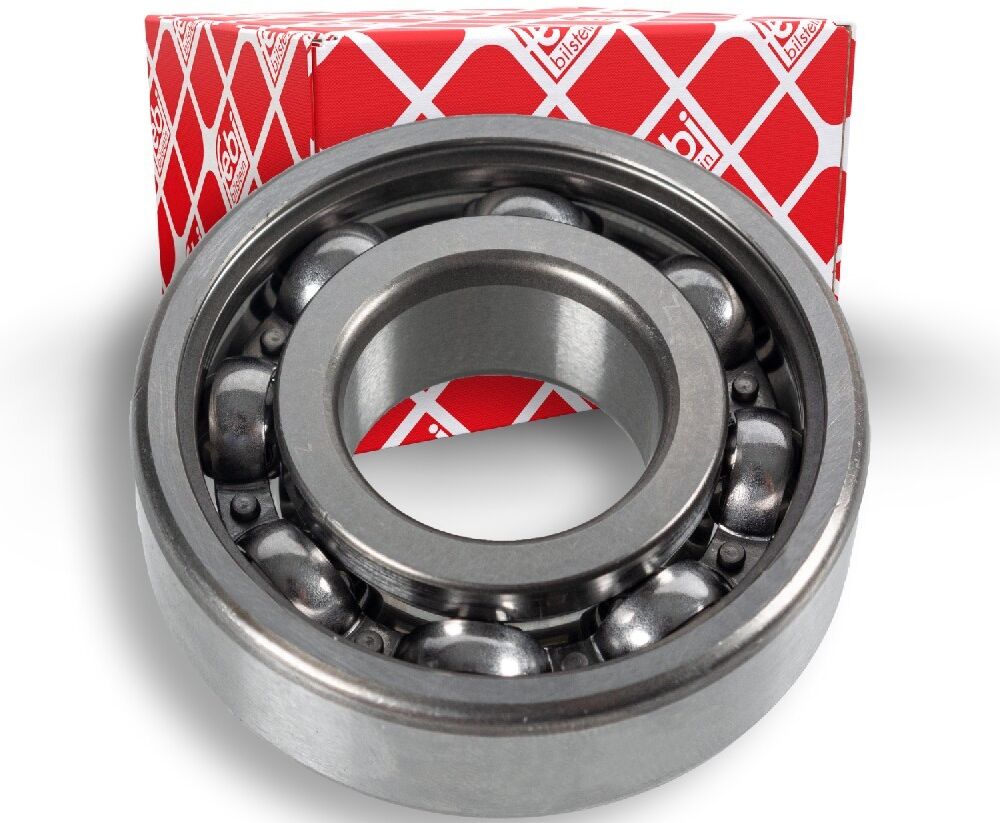
FEBI BILSTEIN 14098 Pilot bearing, clutchWidth [mm]: 15; Inner Diameter [mm]: 15; Outer Diameter [mm]: 21; Bearing Type: Needle Bearing; Weight [kg]: 0,04; Construction Year from: 01/1980; Transmission Type: Manual Transmission, 6-Speed Dual-Clutch Transmission, Automatic Transmission, 6-Speed Manual Transmission, 6-Speed Automatic Transmission; TecDoc Engine Number: 235, 268, 4198, 10816, 14148, 14128, 13949, 4199, 15335, 13950, 16413, 10814, 13774, 4202, 5556, 16253, 16255, 16254, 16256, 5558, 16257, 14988, 4987, 22646, 13929, 15329, 14029, 9518, 12588, 16258, 11527, 16133, 20627, 17029, 17025, 20823, 17027, 35162, 35165, 35164, 35163, 17079, 18224, 18539, 17355, 17357, 17497, 20513, 19091, 17500, 18541, 18540, 17080, 18135, 18188, 17468, 18225, 39511, 18472, 16862, 18883, 18977, 18991, 39518, 28015, 30820, 28017, 31250, 31222, 35073, 35875, 35874, 35793, 31227, 31224, 31233, 35794, 31232, 35790, 36621, 35792, 34174, 32774, 35728, 31273, 36987; Vehicle Identification Number (VIN) from: ******6K*X*400000; Vehicle Identification Number (VIN) to: ******6K*X*499999, ******3C*8*399999; Vehicle Equipment: for vehicles with direct shift transmission6,99 £*Shipping: 8,45 £Secure redirect to the provider
-
What forms of pollination exist in primroses?
Primroses exhibit both self-pollination and cross-pollination. Self-pollination occurs when the plant's own pollen fertilizes its own ovules, leading to genetic uniformity. Cross-pollination, on the other hand, involves the transfer of pollen from one plant to another, promoting genetic diversity. Primroses can be pollinated by insects, such as bees and butterflies, as well as by wind. **
-
How does the pollination of insects occur?
Insect pollination occurs when insects, such as bees, butterflies, and beetles, visit flowers in search of nectar or pollen. As they move from flower to flower, they inadvertently transfer pollen from the male reproductive parts of one flower to the female reproductive parts of another. This transfer of pollen allows for fertilization and the production of seeds and fruits. Insects are attracted to flowers by their colors, scents, and nectar, and in the process of feeding, they facilitate the crucial process of pollination. **
-
What terms exist for external and internal pollination?
External pollination occurs when pollen is transferred between flowers by an external agent, such as wind, water, or animals. Internal pollination, on the other hand, occurs when pollen is transferred within the same flower or between flowers of the same plant. Both types of pollination are essential for the reproduction of many plant species. **
-
Do grapes only grow with pollination by bees?
No, grapes do not require pollination by bees to grow. Grapes are self-pollinating plants, meaning they have both male and female reproductive parts within the same flower, allowing them to pollinate themselves. While bees can help with pollination and increase grape yields, they are not necessary for grape production. **
* All prices are inclusive of VAT and, if applicable, plus shipping costs. The offer information is based on the details provided by the respective shop and is updated through automated processes. Real-time updates do not occur, so deviations can occur in individual cases. ** Note: Parts of this content were created by AI.