Buy gleitschirmfliegen.eu ?
We are moving the project
gleitschirmfliegen.eu .
Are you interested in purchasing the domain
gleitschirmfliegen.eu ?
domain@kv-gmbh.de · 0541-91531010
Buy gleitschirmfliegen.eu ?
On which planet are strong wind speeds prevalent?
Strong wind speeds are prevalent on the planet Neptune. Neptune has the fastest winds in the solar system, with speeds reaching up to 1,300 miles per hour (2,100 kilometers per hour). These high wind speeds are due to the planet's extreme weather conditions and its distance from the sun, which creates powerful atmospheric dynamics. **
Planet size
Planet size refers to the physical dimensions of a planet, including its diameter, circumference, and volume. The size of a planet can vary greatly, with some planets being relatively small, like Mercury, and others being much larger, like Jupiter. The size of a planet can have significant implications for its composition, gravity, and ability to support life. Understanding the size of planets is important for studying their formation, evolution, and potential habitability. **


Similar search terms for Planet
Top-Angebote
Products related to Planet:
-
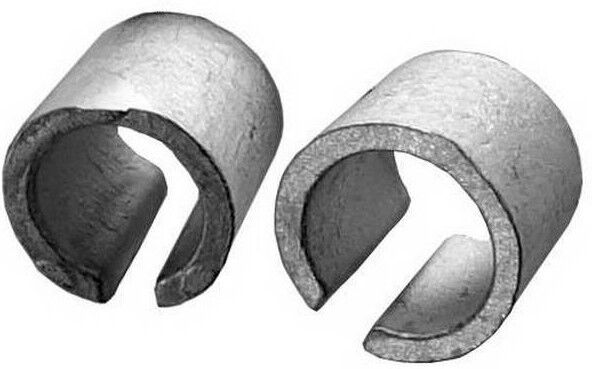
PLANET TECH PL4020 Exhaust clampMaterial: Stainless Steel; Diameter: 39; Length [mm]: 90; Fitting Position: Centre, Inlet, Outlet; Construction Year to: 12/2012, 06/2013; Exhaust System: for rear muffler, from centre muffler to rear muffler, for catalytic converter, from catalytic converter to front muffler; TecDoc Engine Number: 14730; Required quantity: 17,29 £*Shipping: 8,45 £Secure redirect to the provider



-
How long does the flight to each planet take?
The flight time to each planet varies depending on the distance from Earth and the speed of the spacecraft. For example, a flight to Mars can take around 6-9 months, while a trip to Venus can take around 4-6 months. The flight time to Jupiter, the largest planet in our solar system, can take around 2-6 years. These estimates are based on current technology and potential future advancements in space travel. **
-
What is a paragliding tandem pilot?
A paragliding tandem pilot is an experienced and certified individual who is responsible for flying a tandem paraglider with a passenger. They are trained to safely navigate the paraglider through the air, control its speed and direction, and ensure a smooth and enjoyable flight for the passenger. Tandem pilots must have a deep understanding of paragliding techniques, weather conditions, and safety protocols to provide a memorable and secure experience for their passengers. **
-
Planet or not?
Pluto is classified as a dwarf planet by the International Astronomical Union (IAU) due to its size, orbit, and inability to clear its orbit of other debris. While it was previously considered the ninth planet in our solar system, its reclassification in 2006 sparked debate among astronomers and the public. Despite this controversy, Pluto remains an intriguing object in our solar system, with ongoing research and exploration shedding light on its unique characteristics. **
-
Why is the planet Pluto no longer considered a planet?
Pluto is no longer considered a planet because in 2006, the International Astronomical Union redefined the criteria for what constitutes a planet. According to the new definition, a celestial body must meet three criteria to be classified as a planet: it must orbit the sun, it must be spherical in shape, and it must have cleared its orbit of other debris. Pluto failed to meet the third criterion as it shares its orbit with other objects in the Kuiper Belt, leading to its reclassification as a dwarf planet. **


Does paragliding work solely through wind energy?
No, paragliding does not work solely through wind energy. While wind plays a crucial role in paragliding by providing lift and allowing the glider to stay airborne, the sport also relies on the pilot's skill in controlling the glider and using thermals (rising columns of warm air) to gain altitude. Additionally, the pilot can use the glider's speed and the shape of the terrain to maintain flight, meaning that paragliding is not solely dependent on wind energy. **
Which planet is this?
This is Earth, the third planet from the Sun and the only known planet to support life. It has a diverse range of ecosystems, including oceans, forests, deserts, and polar regions. Earth is also the only planet in the solar system known to have liquid water on its surface, which is essential for supporting life as we know it. **
Top-Angebote
Products related to Planet:
-
Little Tiger Press Planet Earth Series Collection 3 Books Box Set (Blue Planet, Green Planet, Red Planet)Blue Planet Every creature in the ocean – from the tiny snail to the enormous blue whale – depends on water for survival. This beautifully illustrated book introduces children to the animals that live in the world’s waters. Green Planet Every creature in the forest – from the tiny beetle to the giant bear – depends on trees for survival. This wonderful introduction to the natural world is full of facts about animals and wildlife in the forests of the globe. Red Planet This engaging book introduces children to some of the most resilient and adaptable animals that live in the hottest places around the world--in deserts, near volcanoes, close to hot springs, and even near underwater volcanoes and geysers.9,99 £*Shipping: 2,99 £Secure redirect to the provider
-
PLANET TECH PL4020 Exhaust clampMaterial: Stainless Steel; Diameter: 39; Length [mm]: 90; Fitting Position: Centre, Inlet, Outlet; Construction Year to: 12/2012, 06/2013; Exhaust System: for rear muffler, from centre muffler to rear muffler, for catalytic converter, from catalytic converter to front muffler; TecDoc Engine Number: 14730; Required quantity: 17,29 £*Shipping: 8,45 £Secure redirect to the provider
-
On which planet are strong wind speeds prevalent?
Strong wind speeds are prevalent on the planet Neptune. Neptune has the fastest winds in the solar system, with speeds reaching up to 1,300 miles per hour (2,100 kilometers per hour). These high wind speeds are due to the planet's extreme weather conditions and its distance from the sun, which creates powerful atmospheric dynamics. **
-
Planet size
Planet size refers to the physical dimensions of a planet, including its diameter, circumference, and volume. The size of a planet can vary greatly, with some planets being relatively small, like Mercury, and others being much larger, like Jupiter. The size of a planet can have significant implications for its composition, gravity, and ability to support life. Understanding the size of planets is important for studying their formation, evolution, and potential habitability. **
-
How long does the flight to each planet take?
The flight time to each planet varies depending on the distance from Earth and the speed of the spacecraft. For example, a flight to Mars can take around 6-9 months, while a trip to Venus can take around 4-6 months. The flight time to Jupiter, the largest planet in our solar system, can take around 2-6 years. These estimates are based on current technology and potential future advancements in space travel. **
-
What is a paragliding tandem pilot?
A paragliding tandem pilot is an experienced and certified individual who is responsible for flying a tandem paraglider with a passenger. They are trained to safely navigate the paraglider through the air, control its speed and direction, and ensure a smooth and enjoyable flight for the passenger. Tandem pilots must have a deep understanding of paragliding techniques, weather conditions, and safety protocols to provide a memorable and secure experience for their passengers. **
Similar search terms for Planet
-
Planet or not?
Pluto is classified as a dwarf planet by the International Astronomical Union (IAU) due to its size, orbit, and inability to clear its orbit of other debris. While it was previously considered the ninth planet in our solar system, its reclassification in 2006 sparked debate among astronomers and the public. Despite this controversy, Pluto remains an intriguing object in our solar system, with ongoing research and exploration shedding light on its unique characteristics. **
-
Why is the planet Pluto no longer considered a planet?
Pluto is no longer considered a planet because in 2006, the International Astronomical Union redefined the criteria for what constitutes a planet. According to the new definition, a celestial body must meet three criteria to be classified as a planet: it must orbit the sun, it must be spherical in shape, and it must have cleared its orbit of other debris. Pluto failed to meet the third criterion as it shares its orbit with other objects in the Kuiper Belt, leading to its reclassification as a dwarf planet. **
-
Does paragliding work solely through wind energy?
No, paragliding does not work solely through wind energy. While wind plays a crucial role in paragliding by providing lift and allowing the glider to stay airborne, the sport also relies on the pilot's skill in controlling the glider and using thermals (rising columns of warm air) to gain altitude. Additionally, the pilot can use the glider's speed and the shape of the terrain to maintain flight, meaning that paragliding is not solely dependent on wind energy. **
-
Which planet is this?
This is Earth, the third planet from the Sun and the only known planet to support life. It has a diverse range of ecosystems, including oceans, forests, deserts, and polar regions. Earth is also the only planet in the solar system known to have liquid water on its surface, which is essential for supporting life as we know it. **
* All prices are inclusive of VAT and, if applicable, plus shipping costs. The offer information is based on the details provided by the respective shop and is updated through automated processes. Real-time updates do not occur, so deviations can occur in individual cases. ** Note: Parts of this content were created by AI.