Buy gleitschirmfliegen.eu ?
We are moving the project
gleitschirmfliegen.eu .
Are you interested in purchasing the domain
gleitschirmfliegen.eu ?
domain@kv-gmbh.de · 0541-91531010
Buy gleitschirmfliegen.eu ?
With what force does the wind press on a surface?
The force with which the wind presses on a surface is determined by the speed of the wind and the surface area of the object it is hitting. The force of the wind is typically measured in pounds per square foot or newtons per square meter. The faster the wind speed and the larger the surface area, the greater the force exerted by the wind on the surface. **
Can a bonsai plant withstand a flight?
Yes, a bonsai plant can withstand a flight as long as it is properly prepared and cared for during the journey. It is important to protect the plant from extreme temperatures, ensure it is securely packaged to prevent damage, and provide adequate water and light during the trip. With proper precautions, a bonsai plant can safely travel by air. **
Similar search terms for Phaidon-Press-Plant-Exploring
Top-Angebote
Products related to Phaidon-Press-Plant-Exploring:
-
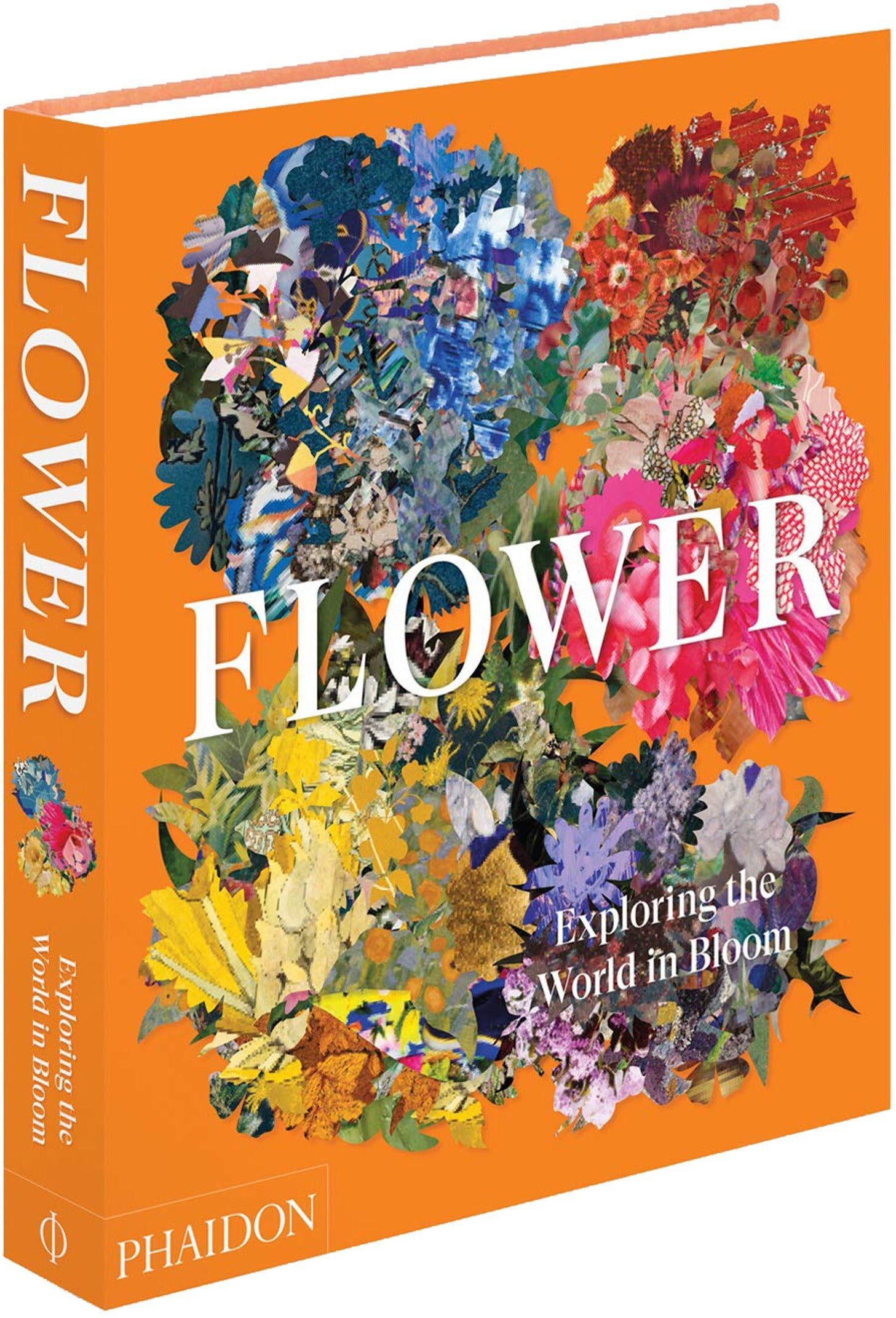
Phaidon Press Flower: Exploring the World in BloomA comprehensive and sumptuous survey that celebrates the beauty and appeal of flowers throughout art, history, and culture. Take a journey across continents and cultures to discover the endless ways artists and image-makers have employed floral motifs throughout history. With 316 color illustrations showcasing the diversity of blooms from all over the world, Flower spans a wide range of styles and media - from art, botanical illustrations, and sculptures to floral arrangements, film stills, and textiles - and follows a visually stunning sequence with works, regardless of period, thoughtfully paired to allow interesting and revealing juxtapositions between them. Featuring large-scale images and accessible texts, Flower offers a comprehensive introduction to the subject alongside surprising examples for specialists. Works by a diverse range of both lesser-known and iconic artists and image-makers are presented, including: Nobuyoshi Araki, Cecil Beaton, Georg Ehret, David Hockney, Horst P. Horst, Nick Knight, Yayoi Kusama, Leonardo da Vinci, Robert Mapplethorpe, Henri Matisse, Claude Monet, Cedric Morris, William Morris, Georgia O'Keeffe, Irving Penn, David Hockney, Pierre-Joseph Redouté, Rachel Ruysch, Constance Spry, and Flora Starkey. The entries were selected by an international panel of art historians, museum curators, botanists, florists, horticulturalists, and more.26,95 £*Shipping: 2,99 £Secure redirect to the provider
-
Phaidon Press KAWS (Phaidon Contemporary Artists Series)The definitive study of the work of KAWS, one of the most influential and much-loved forces in contemporary art and culture KAWS is one of the most popular and recognizable contemporary artists, whose reach extends far beyond the art world into the realms of fashion, music, and popular culture at large. Beginning his career as a graffiti artist in the 1990s, KAWS has expanded his repertoire into painting, sculpture, drawing, product design, and augmented reality, together forming an artistic vision that unites all of these practices. KAWS has collaborated with some of the most prominent international brands, including Uniqlo, Comme des Garçons, Supreme, Nike, Dior, sacai, General Mills, and many more, and the book includes images of the artist’s studio by Jason Schmidt and a selection of KAWS’s previously unpublished preparatory drawings as well as work spanning his entire career, from his early graffiti days to his highly collectible vinyl toys, complex abstract paintings, and monumental public sculptures. Richly illustrated and featuring the most significant scholarship on his work to date, this book is a definitive study on the life and career of this extraordinary artist.23,99 £*Shipping: 2,99 £Secure redirect to the provider
-
Phaidon Press Graphic Classics by Phaidon EditorsAs seen in Fast Company, Dwell, and Wallpaper* Discover 500 of the world’s greatest graphic designs in one big, bold, and brilliant volume This deep dive into graphic design history presents the work of more than 400 designers across 33 countries and 5 continents, with work dating back to the 14th century. Reimagined from the Phaidon best-seller Graphic: 500 Designs that Matter, the book’s dizzying array of designs range from the Gutenberg Bible to Joy Division album art, with work by both anonymous creators and industry icons such as Aleksandr Rodchenko, Paul Rand, Paula Scher, Ahn Sang-soo, and Julia Born. The generous format and two-part design structure allows designs to be shown in detail, with large images up front and a 300+ word text for each entry in the back – making this equal parts picture and reading book. A design category key adds functionality while indicating the sheer variety of disciplines at work within one medium, from advertising and information design to posters, books, magazines, and logos. This book is the perfect reference guide for design and art lovers, enthusiasts, and professionals at any stage of their careers, as well as all those interested in and impacted by visual communication. Carefully revised to bring every detail up to date, organized chronologically, and with the addition of 50 new examples that highlight designers reshaping the graphic culture of today, this collection is more comprehensive, compelling – and relevant – than ever before. Featured designers include: Reza Abedini, Otl Aicher, Herbert Bayer, Max Bill, Laurenz Brunner, A. M. Cassandre, Joseph Churchward, Alan Fletcher, Federica Fragapane, Graphic Thought Facility, Béla Horovitz, Eric Hu, Shira Inbar, Tibor Kalman, Amos Paul Kennedy, Jr., Frith Kerr and Amelia Noble, Anita Klinz, El Lissitzky, George Lois, Karel Martens, Bruno Munari, Nontsikelelo Mutiti, Hassan Rahim, Aleksandr Rodchenko, Stefan Sagmeister, Koichi Sato, Paula Scher, Elena Serrano, Ladislav Sutnar, Ikko Tanaka, Jan Tschichold, Carol Twombly, Jop van Bennekom, Andy Warhol, and Tao Yuan-qing.42,99 £*Shipping: 0,00 £Secure redirect to the provider
-
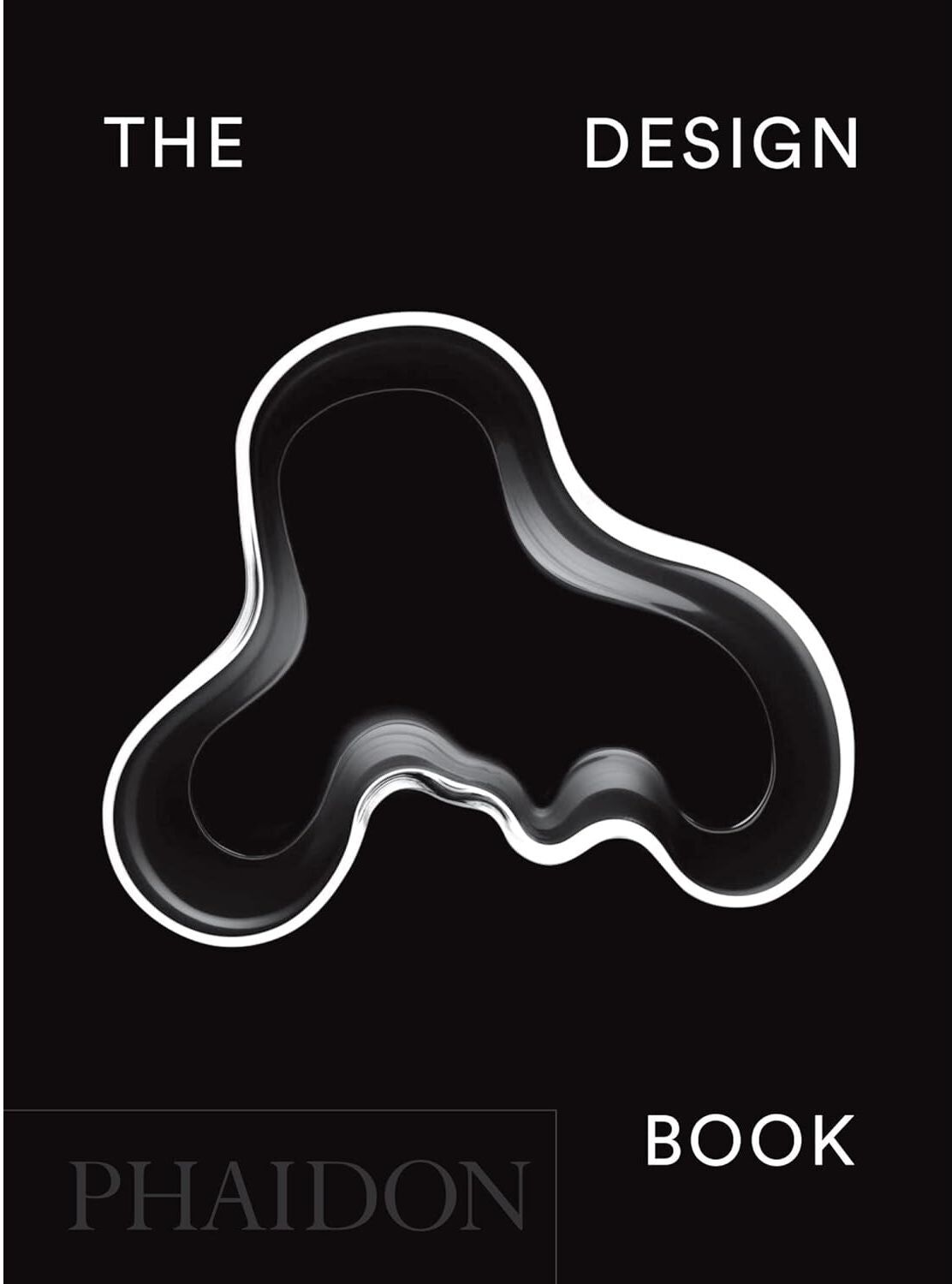
Phaidon Press The Design Book by Phaidon EditorsDiscover more than 500 of the most innovative, influential, and enduring products from the last five centuries in this fully revised and expanded edition of Phaidon's much-loved companion to the best of design Take an extraordinary journey through objects from the last 500 years that have improved our environments and functionality, and shaped society and culture. With an image for each object featured and descriptive text including information about the product itself, its designer, manufacturer, and history,The Design Book includes iconic pieces by such masters as Le Corbusier, Philippe Starck, and the Eames, alongside classic objects such as the paper clip, the hurricane lantern, and the martini glass. This new edition also features 30 new products from the last 15 years, expertly selected and curated to reflect modern-day design breakthroughs.12,99 £*Shipping: 2,99 £Secure redirect to the provider


-
How is energy converted in a wind power plant?
In a wind power plant, energy is converted from the kinetic energy of the wind into mechanical energy by the rotation of the blades of a wind turbine. The rotating blades turn a shaft connected to a generator, which converts the mechanical energy into electrical energy. The electricity generated is then fed into the power grid for distribution to homes and businesses. **
-
How are the materials used in a wind power plant?
The materials used in a wind power plant include steel for the tower and foundation, fiberglass or carbon fiber for the blades, and copper for the generator. The tower and foundation need to be strong and durable to support the weight of the turbine and withstand the forces of the wind. The blades are designed to be lightweight and aerodynamic to capture the maximum amount of wind energy. The generator uses copper coils to convert the rotational energy from the turbine into electrical energy. Overall, the materials used in a wind power plant are carefully chosen to optimize the efficiency and longevity of the system. **
-
How many wind turbines can a medium-sized nuclear power plant replace?
A medium-sized nuclear power plant can typically generate around 1,000 to 2,000 megawatts of electricity. On the other hand, a single wind turbine can generate anywhere from 2 to 3 megawatts of electricity. Therefore, a medium-sized nuclear power plant can potentially replace hundreds of wind turbines, depending on their individual capacity. This demonstrates the significant energy output of nuclear power plants compared to wind turbines. **
-
How many wind turbines would be needed to replace a coal power plant?
The number of wind turbines needed to replace a coal power plant would depend on the capacity of the coal plant and the capacity of the wind turbines. On average, a coal power plant with a capacity of 500 megawatts could be replaced by approximately 150-200 wind turbines with a capacity of 2-3 megawatts each. However, this number can vary based on factors such as the efficiency of the turbines, the wind resources available, and the energy demand of the area being served. **

Should a nuclear power plant or ten wind turbines be located next to your house?
I would prefer ten wind turbines to be located next to my house rather than a nuclear power plant. Wind turbines are a renewable energy source that produces clean electricity without emitting harmful greenhouse gases. In contrast, nuclear power plants pose potential risks in terms of accidents, radioactive waste disposal, and long-term environmental impact. Additionally, wind turbines are generally quieter and less intrusive visually compared to a nuclear power plant. **
How many trees do I need to plant to offset a long-haul flight?
The number of trees needed to offset a long-haul flight can vary depending on the distance traveled and the type of trees being planted. On average, a single tree can absorb around 48 pounds of carbon dioxide per year. A long-haul flight can emit several tons of carbon dioxide, so you would likely need to plant multiple trees to fully offset the emissions from the flight. It is recommended to use online carbon calculators to get a more accurate estimate based on the specific details of your flight. **
Top-Angebote
Products related to Phaidon-Press-Plant-Exploring:
-
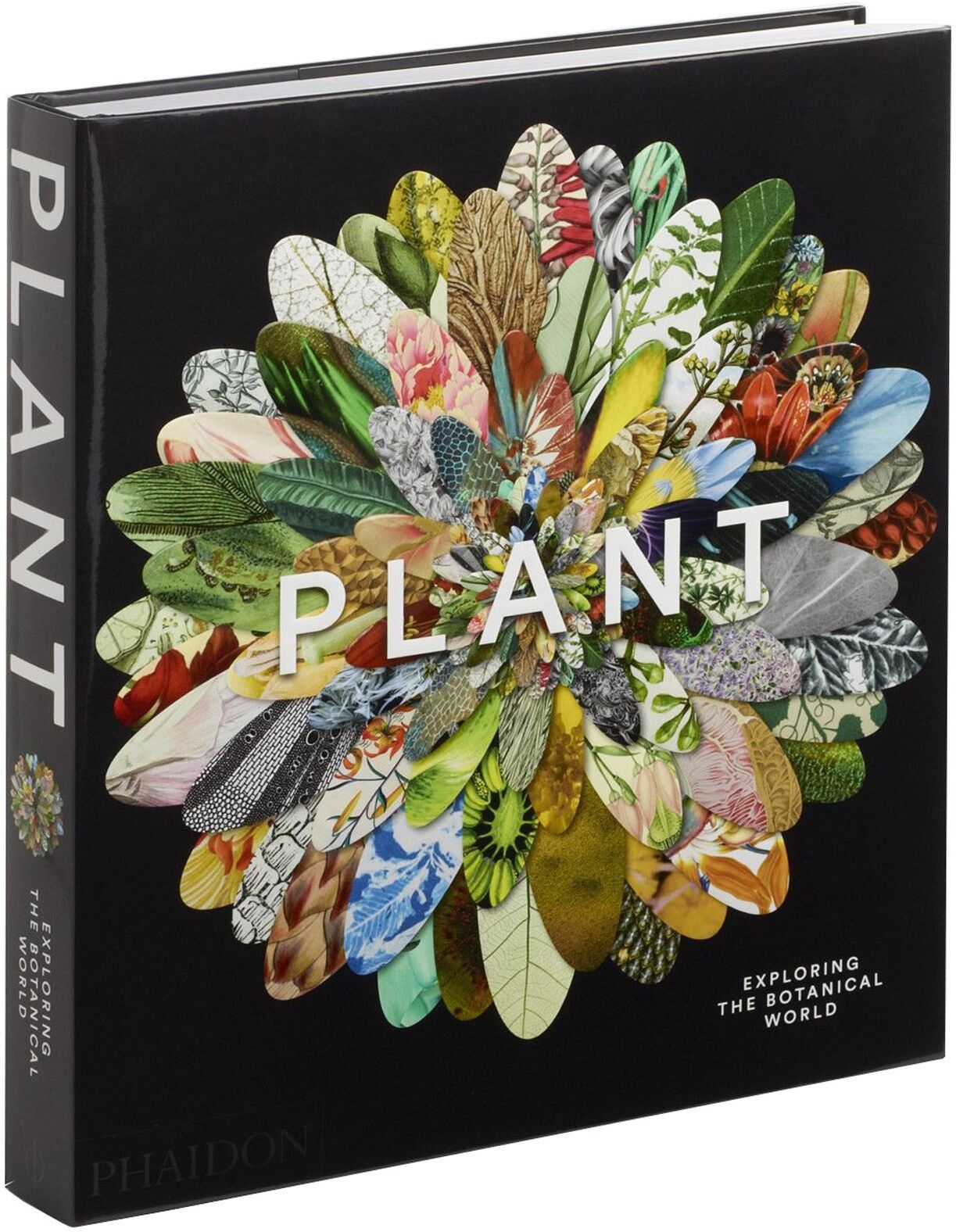
Phaidon Press Plant: Exploring the Botanical WorldThe ultimate gift for gardeners and art-lovers, featuring 300 of the most beautiful and pioneering botanical images ever. Following in the footsteps of the international bestseller Map: Exploring the World, this fresh and visually stunning survey celebrates the extraordinary beauty and diversity of plants. It combines photographs and cutting-edge micrograph scans with watercolours, drawings, and prints to bring this universally popular and captivating subject vividly to life. Carefully selected by an international panel of experts and arranged in a uniquely structured sequence to highlight thought-provoking contrasts and similarities, this stunning compilation of botanically themed images includes iconic work by celebrated artists, photographers, scientists, and botanical illustrators, as well as rare and previously unpublished images.26,99 £*Shipping: 2,99 £Secure redirect to the provider
-
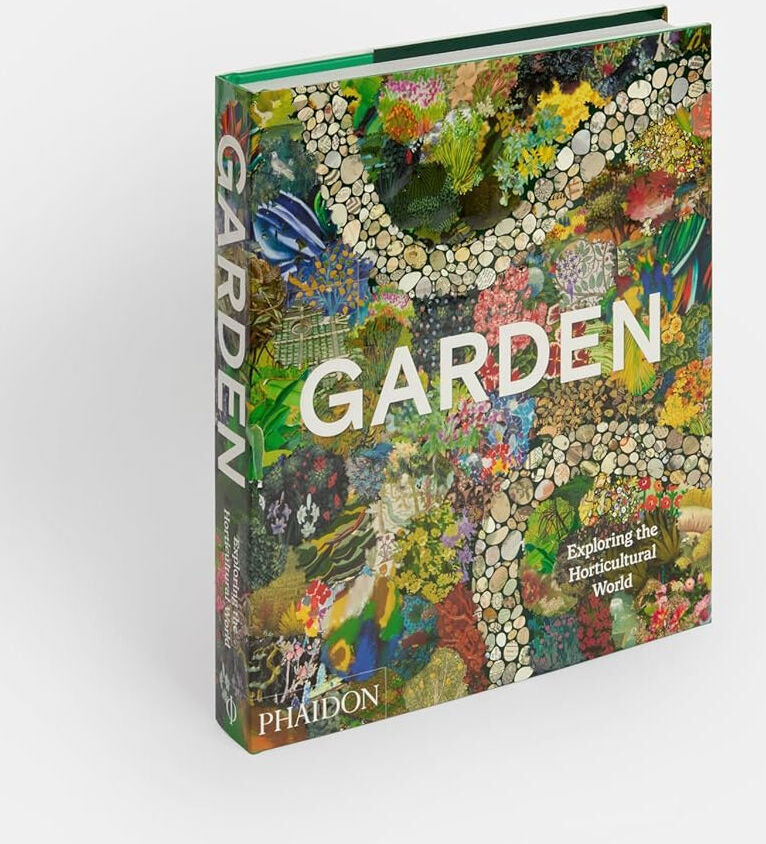
Phaidon Press Garden: Exploring the Horticultural WorldWinner of the Council on Botanical and Horticultural Libraries 2025 Award of Excellence in Series As seen in The New York Times, NPR.org, Gardens Illustrated, and AD Pro A richly illustrated survey celebrating humankind’s enduring relationship with the garden, explored throughout art, science, history, and culture Garden takes readers on a journey across continents and cultures to discover the endless ways artists and image-makers have found inspiration in gardens and horticulture throughout history. With more than 300 entries, this comprehensive and stunning visual survey showcases the diversity of the garden from all over the world – from the garden of Eden and the grandeur of the English landscape garden to Japanese Zen gardens and the humble vegetable plot. Spanning a wide range of styles and media – art, illustrations, and sculptures to photography, film stills, and textiles – Garden follows a visually arresting sequence, with works, regardless of period, thoughtfully paired, and features large-scale images, accessible texts, and reference information, including a glossary, illustrated timeline, and biographies. Offering a comprehensive introduction to the subject, Garden features work by a diverse range of both lesser-known and iconic artists, including Pierre Bonnard, Roberto Burle Marx, Lucas Cranach the Elder, Gertrude Jekyll, Claude Monet, Marianne North, Crispijn de Passe, William Robinson, Alma Thomas, and Howard Sooley, among others, including a variety of surprising examples that will appeal to specialists as well as the general reader. Aimed at a wide audience, this book has diverse appeal – from artists, designers, and art historians to garden enthusiasts, horticulturists, and everyone interested in the natural world around them.27,99 £*Shipping: 2,99 £Secure redirect to the provider
-
Phaidon Press Flower: Exploring the World in BloomA comprehensive and sumptuous survey that celebrates the beauty and appeal of flowers throughout art, history, and culture. Take a journey across continents and cultures to discover the endless ways artists and image-makers have employed floral motifs throughout history. With 316 color illustrations showcasing the diversity of blooms from all over the world, Flower spans a wide range of styles and media - from art, botanical illustrations, and sculptures to floral arrangements, film stills, and textiles - and follows a visually stunning sequence with works, regardless of period, thoughtfully paired to allow interesting and revealing juxtapositions between them. Featuring large-scale images and accessible texts, Flower offers a comprehensive introduction to the subject alongside surprising examples for specialists. Works by a diverse range of both lesser-known and iconic artists and image-makers are presented, including: Nobuyoshi Araki, Cecil Beaton, Georg Ehret, David Hockney, Horst P. Horst, Nick Knight, Yayoi Kusama, Leonardo da Vinci, Robert Mapplethorpe, Henri Matisse, Claude Monet, Cedric Morris, William Morris, Georgia O'Keeffe, Irving Penn, David Hockney, Pierre-Joseph Redouté, Rachel Ruysch, Constance Spry, and Flora Starkey. The entries were selected by an international panel of art historians, museum curators, botanists, florists, horticulturalists, and more.26,95 £*Shipping: 2,99 £Secure redirect to the provider
-
Phaidon Press KAWS (Phaidon Contemporary Artists Series)The definitive study of the work of KAWS, one of the most influential and much-loved forces in contemporary art and culture KAWS is one of the most popular and recognizable contemporary artists, whose reach extends far beyond the art world into the realms of fashion, music, and popular culture at large. Beginning his career as a graffiti artist in the 1990s, KAWS has expanded his repertoire into painting, sculpture, drawing, product design, and augmented reality, together forming an artistic vision that unites all of these practices. KAWS has collaborated with some of the most prominent international brands, including Uniqlo, Comme des Garçons, Supreme, Nike, Dior, sacai, General Mills, and many more, and the book includes images of the artist’s studio by Jason Schmidt and a selection of KAWS’s previously unpublished preparatory drawings as well as work spanning his entire career, from his early graffiti days to his highly collectible vinyl toys, complex abstract paintings, and monumental public sculptures. Richly illustrated and featuring the most significant scholarship on his work to date, this book is a definitive study on the life and career of this extraordinary artist.23,99 £*Shipping: 2,99 £Secure redirect to the provider
-
With what force does the wind press on a surface?
The force with which the wind presses on a surface is determined by the speed of the wind and the surface area of the object it is hitting. The force of the wind is typically measured in pounds per square foot or newtons per square meter. The faster the wind speed and the larger the surface area, the greater the force exerted by the wind on the surface. **
-
Can a bonsai plant withstand a flight?
Yes, a bonsai plant can withstand a flight as long as it is properly prepared and cared for during the journey. It is important to protect the plant from extreme temperatures, ensure it is securely packaged to prevent damage, and provide adequate water and light during the trip. With proper precautions, a bonsai plant can safely travel by air. **
-
How is energy converted in a wind power plant?
In a wind power plant, energy is converted from the kinetic energy of the wind into mechanical energy by the rotation of the blades of a wind turbine. The rotating blades turn a shaft connected to a generator, which converts the mechanical energy into electrical energy. The electricity generated is then fed into the power grid for distribution to homes and businesses. **
-
How are the materials used in a wind power plant?
The materials used in a wind power plant include steel for the tower and foundation, fiberglass or carbon fiber for the blades, and copper for the generator. The tower and foundation need to be strong and durable to support the weight of the turbine and withstand the forces of the wind. The blades are designed to be lightweight and aerodynamic to capture the maximum amount of wind energy. The generator uses copper coils to convert the rotational energy from the turbine into electrical energy. Overall, the materials used in a wind power plant are carefully chosen to optimize the efficiency and longevity of the system. **
Similar search terms for Phaidon-Press-Plant-Exploring
-
Phaidon Press Graphic Classics by Phaidon EditorsAs seen in Fast Company, Dwell, and Wallpaper* Discover 500 of the world’s greatest graphic designs in one big, bold, and brilliant volume This deep dive into graphic design history presents the work of more than 400 designers across 33 countries and 5 continents, with work dating back to the 14th century. Reimagined from the Phaidon best-seller Graphic: 500 Designs that Matter, the book’s dizzying array of designs range from the Gutenberg Bible to Joy Division album art, with work by both anonymous creators and industry icons such as Aleksandr Rodchenko, Paul Rand, Paula Scher, Ahn Sang-soo, and Julia Born. The generous format and two-part design structure allows designs to be shown in detail, with large images up front and a 300+ word text for each entry in the back – making this equal parts picture and reading book. A design category key adds functionality while indicating the sheer variety of disciplines at work within one medium, from advertising and information design to posters, books, magazines, and logos. This book is the perfect reference guide for design and art lovers, enthusiasts, and professionals at any stage of their careers, as well as all those interested in and impacted by visual communication. Carefully revised to bring every detail up to date, organized chronologically, and with the addition of 50 new examples that highlight designers reshaping the graphic culture of today, this collection is more comprehensive, compelling – and relevant – than ever before. Featured designers include: Reza Abedini, Otl Aicher, Herbert Bayer, Max Bill, Laurenz Brunner, A. M. Cassandre, Joseph Churchward, Alan Fletcher, Federica Fragapane, Graphic Thought Facility, Béla Horovitz, Eric Hu, Shira Inbar, Tibor Kalman, Amos Paul Kennedy, Jr., Frith Kerr and Amelia Noble, Anita Klinz, El Lissitzky, George Lois, Karel Martens, Bruno Munari, Nontsikelelo Mutiti, Hassan Rahim, Aleksandr Rodchenko, Stefan Sagmeister, Koichi Sato, Paula Scher, Elena Serrano, Ladislav Sutnar, Ikko Tanaka, Jan Tschichold, Carol Twombly, Jop van Bennekom, Andy Warhol, and Tao Yuan-qing.42,99 £*Shipping: 0,00 £Secure redirect to the provider
-
Phaidon Press The Design Book by Phaidon EditorsDiscover more than 500 of the most innovative, influential, and enduring products from the last five centuries in this fully revised and expanded edition of Phaidon's much-loved companion to the best of design Take an extraordinary journey through objects from the last 500 years that have improved our environments and functionality, and shaped society and culture. With an image for each object featured and descriptive text including information about the product itself, its designer, manufacturer, and history,The Design Book includes iconic pieces by such masters as Le Corbusier, Philippe Starck, and the Eames, alongside classic objects such as the paper clip, the hurricane lantern, and the martini glass. This new edition also features 30 new products from the last 15 years, expertly selected and curated to reflect modern-day design breakthroughs.12,99 £*Shipping: 2,99 £Secure redirect to the provider
-
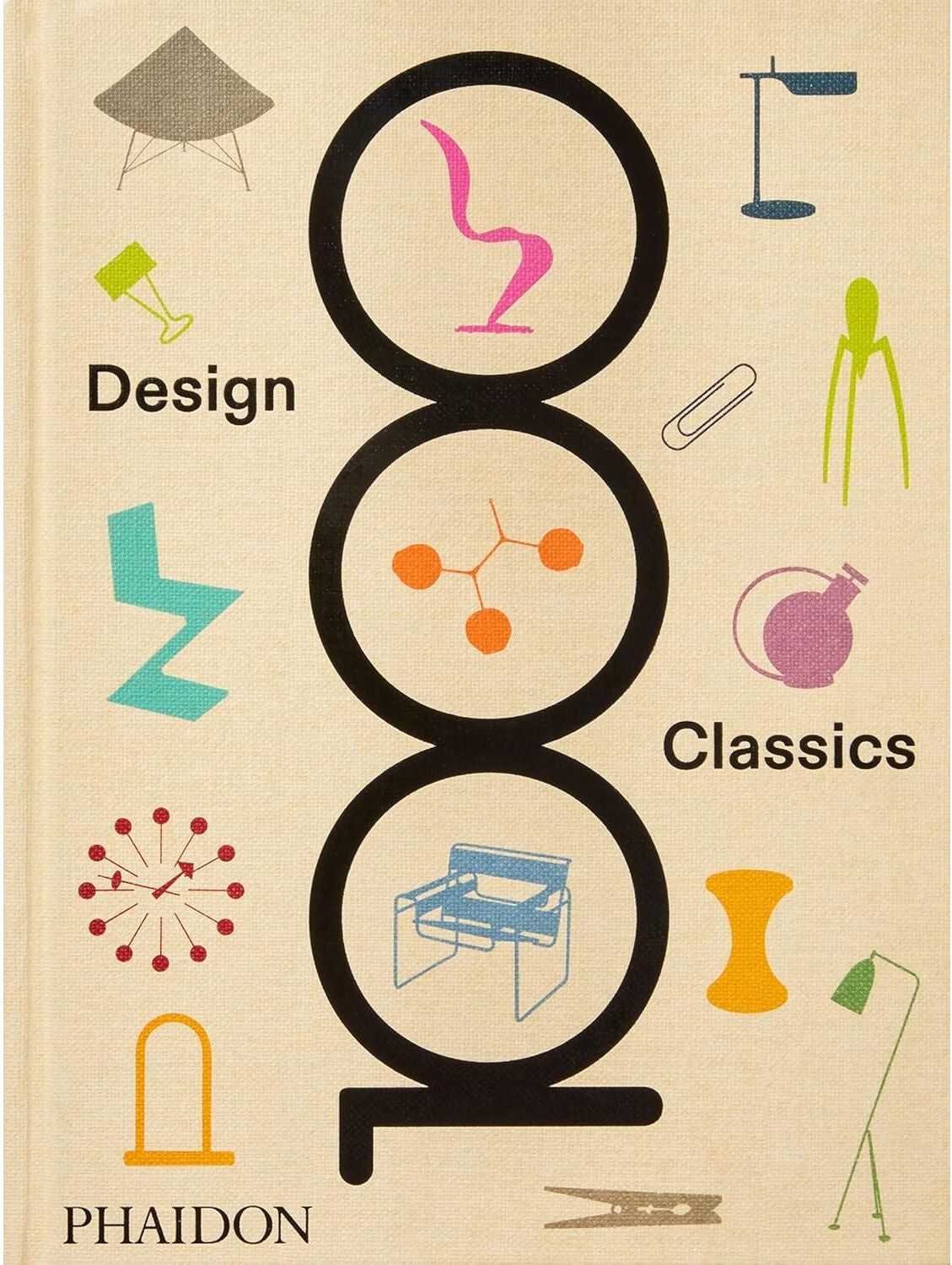
Phaidon Press 1000 Design Classics by Phaidon EditorsThe most innovative, iconic, and influential products ever designed - from 1663 to the present day Originating from the highly acclaimed and groundbreaking three-volume Phaidon Design Classics, this new book presents 1,000 of the world's greatest objects in one large-format volume - from everyday items by anonymous creators to lauded pieces by the likes of Charles and Ray Eames, Charlotte Perriand, Dieter Rams, Richard Sapper, Hans J. Wegner, and Florence Knoll. Carefully revised to bring every detail up to date, and with the addition of 100 new items that highlight designers from a diverse variety of backgrounds (including a greater number of female designers) and products from the last 15 years, this collection of the world's greatest product design is more comprehensive, compelling - and relevant - than ever before. The book showcases celebrated names alongside the new stars of modern design, including Le Corbusier, Alvar and Aino Aalto, Isamu Noguchi, Ronan and Erwan Bouroullec, Lani Adeoye, Faye Toogood, and Lindsey Adelman. Each entry is accompanied by beautiful imagery and a detailed description that offers a rich insight into the product, its history, and its maker, from the renowned Tulip Chair by Eero Saarinen to the much-loved Bird Zero e-scooter. This handsome book is the perfect reference guide for design enthusiasts, industry professionals, and all those interested in the creative process.42,70 £*Shipping: 0,00 £Secure redirect to the provider
-
Phaidon Press Cecily Brown (Phaidon Contemporary Artists Series)The first ― and highly anticipated ― monograph on one of the most influential painters of our time Cecily Brown is a British-born, New York-based artist who rose to prominence in the late 1990s. Brown established her unique voice within the art sphere by investigating the sensual qualities of oil paint and challenging the conventions of abstraction and figuration. Through a range of reference to old master paintings, Abstract Expressionism, and popular culture, Brown's symbolic language, exuberant brushwork, rich palette, intense energy, and embrace of the erotic have redefined some of painting's historical canons.24,95 £*Shipping: 2,99 £Secure redirect to the provider
-
How many wind turbines can a medium-sized nuclear power plant replace?
A medium-sized nuclear power plant can typically generate around 1,000 to 2,000 megawatts of electricity. On the other hand, a single wind turbine can generate anywhere from 2 to 3 megawatts of electricity. Therefore, a medium-sized nuclear power plant can potentially replace hundreds of wind turbines, depending on their individual capacity. This demonstrates the significant energy output of nuclear power plants compared to wind turbines. **
-
How many wind turbines would be needed to replace a coal power plant?
The number of wind turbines needed to replace a coal power plant would depend on the capacity of the coal plant and the capacity of the wind turbines. On average, a coal power plant with a capacity of 500 megawatts could be replaced by approximately 150-200 wind turbines with a capacity of 2-3 megawatts each. However, this number can vary based on factors such as the efficiency of the turbines, the wind resources available, and the energy demand of the area being served. **
-
Should a nuclear power plant or ten wind turbines be located next to your house?
I would prefer ten wind turbines to be located next to my house rather than a nuclear power plant. Wind turbines are a renewable energy source that produces clean electricity without emitting harmful greenhouse gases. In contrast, nuclear power plants pose potential risks in terms of accidents, radioactive waste disposal, and long-term environmental impact. Additionally, wind turbines are generally quieter and less intrusive visually compared to a nuclear power plant. **
-
How many trees do I need to plant to offset a long-haul flight?
The number of trees needed to offset a long-haul flight can vary depending on the distance traveled and the type of trees being planted. On average, a single tree can absorb around 48 pounds of carbon dioxide per year. A long-haul flight can emit several tons of carbon dioxide, so you would likely need to plant multiple trees to fully offset the emissions from the flight. It is recommended to use online carbon calculators to get a more accurate estimate based on the specific details of your flight. **
* All prices are inclusive of VAT and, if applicable, plus shipping costs. The offer information is based on the details provided by the respective shop and is updated through automated processes. Real-time updates do not occur, so deviations can occur in individual cases. ** Note: Parts of this content were created by AI.