Buy gleitschirmfliegen.eu ?
We are moving the project
gleitschirmfliegen.eu .
Are you interested in purchasing the domain
gleitschirmfliegen.eu ?
domain@kv-gmbh.de · 0541-91531010
Buy gleitschirmfliegen.eu ?
How can one convert decibels to pascals?
To convert decibels to pascals, you first need to know the reference pressure in pascals, which is typically 20 µPa for sound in air. Then, you can use the formula: pascals = 10^(dB/20) * reference pressure. Simply plug in the decibel value into the formula along with the reference pressure to calculate the pressure in pascals. This formula accounts for the logarithmic nature of decibels and converts it to a linear scale in pascals. **
How can decibels be converted to pascals?
Decibels can be converted to pascals using the formula: pressure (in pascals) = 20 * 10^(decibels/20). This formula is derived from the definition of decibels as a logarithmic unit of measurement. By using this formula, the sound pressure level in pascals can be calculated based on the decibel value given. **


Similar search terms for Pascals
Top-Angebote
Products related to Pascals:
-
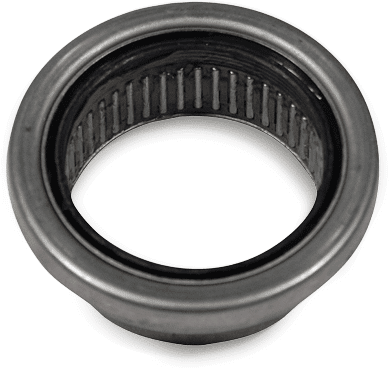
KAWE 10037 Pilot bearing, clutchParameter: LL; Outer Diameter 1 [mm]: 24; Width [mm]: 16; Inner Diameter [mm]: 18; Construction Year to: 12/1987, 07/1989, 07/1986; Construction Year from: 01/1988, 01/1985; Engine Number to: 049108, 001281, 002861; Vehicle Identification Number (VIN) to: K#150000; TecDoc Engine Number: 331, 937516,99 £*Shipping: 8,45 £Secure redirect to the provider



-
What is a paragliding tandem pilot?
A paragliding tandem pilot is an experienced and certified individual who is responsible for flying a tandem paraglider with a passenger. They are trained to safely navigate the paraglider through the air, control its speed and direction, and ensure a smooth and enjoyable flight for the passenger. Tandem pilots must have a deep understanding of paragliding techniques, weather conditions, and safety protocols to provide a memorable and secure experience for their passengers. **
-
Does paragliding work solely through wind energy?
No, paragliding does not work solely through wind energy. While wind plays a crucial role in paragliding by providing lift and allowing the glider to stay airborne, the sport also relies on the pilot's skill in controlling the glider and using thermals (rising columns of warm air) to gain altitude. Additionally, the pilot can use the glider's speed and the shape of the terrain to maintain flight, meaning that paragliding is not solely dependent on wind energy. **
-
Is the flight altitude legal?
The legality of a flight altitude depends on various factors such as air traffic control regulations, airspace restrictions, and the specific flight plan. Pilots must adhere to the altitude restrictions set by air traffic control and comply with any airspace regulations in the area they are flying. Additionally, the aircraft's performance capabilities and the weather conditions also play a role in determining the legal flight altitude. Therefore, without specific details about the flight and the regulations in place, it is not possible to determine the legality of the flight altitude. **
-
What is the flight altitude of fighter jets?
The flight altitude of fighter jets can vary depending on the specific model and mission requirements. However, in general, fighter jets are capable of flying at altitudes ranging from 30,000 to 60,000 feet. This high altitude capability allows fighter jets to operate above most commercial air traffic and provides them with a tactical advantage in combat situations. Additionally, flying at higher altitudes can also increase the range and speed of fighter jets. **


How do you calculate the maximum flight altitude?
The maximum flight altitude is calculated based on various factors such as the aircraft's performance capabilities, weight, temperature, and air pressure. Pilots use performance charts provided by the aircraft manufacturer to determine the maximum altitude the aircraft can safely and efficiently operate at. These charts take into account the aircraft's engine power, aerodynamic characteristics, and other variables to calculate the maximum altitude. Additionally, regulations and airspace restrictions may also dictate the maximum flight altitude for a particular route or airspace. **
What is the altitude of a pilot at 160 meters?
The altitude of a pilot at 160 meters would be 160 meters above a specific reference point, such as sea level or ground level. Altitude is a measure of the vertical distance between an object and a reference point, so in this case, the pilot would be 160 meters above that reference point. This altitude measurement is important for pilots to maintain safe distances from the ground and other aircraft while flying. **
Top-Angebote
Products related to Pascals:
-
KAWE 10005 Pilot bearing, clutchParameter: LL; Height: 15; Inner Diameter [mm]: 15; Outer Diameter [mm]: 21; Construction Year from: 04/1988, 09/1975; Construction Year to: 11/1995, 06/1976; Engine Number to: 207630, 073818; TecDoc Engine Number: 4996, 5014, 5017, 305, 15989; Vehicle Identification Number (VIN) from: 1#0000016,29 £*Shipping: 8,45 £Secure redirect to the provider
-
KAWE 10037 Pilot bearing, clutchParameter: LL; Outer Diameter 1 [mm]: 24; Width [mm]: 16; Inner Diameter [mm]: 18; Construction Year to: 12/1987, 07/1989, 07/1986; Construction Year from: 01/1988, 01/1985; Engine Number to: 049108, 001281, 002861; Vehicle Identification Number (VIN) to: K#150000; TecDoc Engine Number: 331, 937516,99 £*Shipping: 8,45 £Secure redirect to the provider
-
How can one convert decibels to pascals?
To convert decibels to pascals, you first need to know the reference pressure in pascals, which is typically 20 µPa for sound in air. Then, you can use the formula: pascals = 10^(dB/20) * reference pressure. Simply plug in the decibel value into the formula along with the reference pressure to calculate the pressure in pascals. This formula accounts for the logarithmic nature of decibels and converts it to a linear scale in pascals. **
-
How can decibels be converted to pascals?
Decibels can be converted to pascals using the formula: pressure (in pascals) = 20 * 10^(decibels/20). This formula is derived from the definition of decibels as a logarithmic unit of measurement. By using this formula, the sound pressure level in pascals can be calculated based on the decibel value given. **
-
What is a paragliding tandem pilot?
A paragliding tandem pilot is an experienced and certified individual who is responsible for flying a tandem paraglider with a passenger. They are trained to safely navigate the paraglider through the air, control its speed and direction, and ensure a smooth and enjoyable flight for the passenger. Tandem pilots must have a deep understanding of paragliding techniques, weather conditions, and safety protocols to provide a memorable and secure experience for their passengers. **
-
Does paragliding work solely through wind energy?
No, paragliding does not work solely through wind energy. While wind plays a crucial role in paragliding by providing lift and allowing the glider to stay airborne, the sport also relies on the pilot's skill in controlling the glider and using thermals (rising columns of warm air) to gain altitude. Additionally, the pilot can use the glider's speed and the shape of the terrain to maintain flight, meaning that paragliding is not solely dependent on wind energy. **
Similar search terms for Pascals
-
Is the flight altitude legal?
The legality of a flight altitude depends on various factors such as air traffic control regulations, airspace restrictions, and the specific flight plan. Pilots must adhere to the altitude restrictions set by air traffic control and comply with any airspace regulations in the area they are flying. Additionally, the aircraft's performance capabilities and the weather conditions also play a role in determining the legal flight altitude. Therefore, without specific details about the flight and the regulations in place, it is not possible to determine the legality of the flight altitude. **
-
What is the flight altitude of fighter jets?
The flight altitude of fighter jets can vary depending on the specific model and mission requirements. However, in general, fighter jets are capable of flying at altitudes ranging from 30,000 to 60,000 feet. This high altitude capability allows fighter jets to operate above most commercial air traffic and provides them with a tactical advantage in combat situations. Additionally, flying at higher altitudes can also increase the range and speed of fighter jets. **
-
How do you calculate the maximum flight altitude?
The maximum flight altitude is calculated based on various factors such as the aircraft's performance capabilities, weight, temperature, and air pressure. Pilots use performance charts provided by the aircraft manufacturer to determine the maximum altitude the aircraft can safely and efficiently operate at. These charts take into account the aircraft's engine power, aerodynamic characteristics, and other variables to calculate the maximum altitude. Additionally, regulations and airspace restrictions may also dictate the maximum flight altitude for a particular route or airspace. **
-
What is the altitude of a pilot at 160 meters?
The altitude of a pilot at 160 meters would be 160 meters above a specific reference point, such as sea level or ground level. Altitude is a measure of the vertical distance between an object and a reference point, so in this case, the pilot would be 160 meters above that reference point. This altitude measurement is important for pilots to maintain safe distances from the ground and other aircraft while flying. **
* All prices are inclusive of VAT and, if applicable, plus shipping costs. The offer information is based on the details provided by the respective shop and is updated through automated processes. Real-time updates do not occur, so deviations can occur in individual cases. ** Note: Parts of this content were created by AI.