Buy gleitschirmfliegen.eu ?
We are moving the project
gleitschirmfliegen.eu .
Are you interested in purchasing the domain
gleitschirmfliegen.eu ?
domain@kv-gmbh.de · 0541-91531010
Buy gleitschirmfliegen.eu ?
How much horsepower is necessary for manned flight?
The amount of horsepower necessary for manned flight depends on the type of aircraft and its intended use. For example, a small single-engine airplane may require around 100-200 horsepower for takeoff and cruising, while a larger commercial airliner may need tens of thousands of horsepower. Helicopters typically require less horsepower than fixed-wing aircraft due to their different flight mechanics. Ultimately, the necessary horsepower for manned flight is determined by the aircraft's weight, aerodynamic design, and performance requirements. **
What is a paragliding tandem pilot?
A paragliding tandem pilot is an experienced and certified individual who is responsible for flying a tandem paraglider with a passenger. They are trained to safely navigate the paraglider through the air, control its speed and direction, and ensure a smooth and enjoyable flight for the passenger. Tandem pilots must have a deep understanding of paragliding techniques, weather conditions, and safety protocols to provide a memorable and secure experience for their passengers. **


Similar search terms for Horsepower
Top-Angebote
Products related to Horsepower:
-
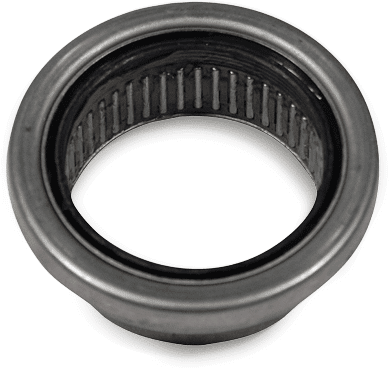
KAWE 10037 Pilot bearing, clutchParameter: LL; Outer Diameter 1 [mm]: 24; Width [mm]: 16; Inner Diameter [mm]: 18; Construction Year to: 12/1987, 07/1989, 07/1986; Construction Year from: 01/1988, 01/1985; Engine Number to: 049108, 001281, 002861; Vehicle Identification Number (VIN) to: K#150000; TecDoc Engine Number: 331, 937516,99 £*Shipping: 8,45 £Secure redirect to the provider



-
Does paragliding work solely through wind energy?
No, paragliding does not work solely through wind energy. While wind plays a crucial role in paragliding by providing lift and allowing the glider to stay airborne, the sport also relies on the pilot's skill in controlling the glider and using thermals (rising columns of warm air) to gain altitude. Additionally, the pilot can use the glider's speed and the shape of the terrain to maintain flight, meaning that paragliding is not solely dependent on wind energy. **
-
How can you reduce 48 horsepower to 15 horsepower?
To reduce 48 horsepower to 15 horsepower, you can achieve this by either physically modifying the engine or using a device like a governor to limit the power output. One way to reduce horsepower is by adjusting the fuel delivery system to limit the amount of fuel being burned, which in turn reduces power output. Another method is to change the engine's air intake system to restrict the amount of air entering the engine, thus reducing power output. It is important to note that modifying an engine's power output should be done carefully to ensure the engine operates safely and efficiently. **
-
How can one reduce 48 horsepower to 15 horsepower?
One way to reduce 48 horsepower to 15 horsepower is by using a device called a power attenuator or power resistor. This device can be connected to the power source to absorb the excess power and reduce the output to the desired level. Another method is to adjust the engine's fuel injection system or carburetor to limit the amount of fuel being delivered to the engine, thereby reducing the power output. Additionally, changing the gear ratio in the transmission can also help reduce the power output to 15 horsepower. **
-
How many horsepower are equivalent to one horsepower (PS)?
One horsepower (PS) is equivalent to 0.9863 horsepower. This means that one PS is slightly less powerful than one horsepower. The difference is minimal and often rounded to one horsepower for practical purposes. **


How many horsepower (PS) are equivalent to one horsepower (PS)?
One horsepower (PS) is equivalent to 1 horsepower (PS). The terms "horsepower" and "PS" are used interchangeably to represent the same unit of power. Therefore, there is no conversion factor needed when comparing horsepower to PS. **
What is the difference between 11 horsepower and 15 horsepower?
The difference between 11 horsepower and 15 horsepower is the amount of power each engine can produce. A 15 horsepower engine is capable of producing more power than an 11 horsepower engine, making it more suitable for heavier loads or faster speeds. In practical terms, a 15 horsepower engine would be able to provide more torque and acceleration compared to an 11 horsepower engine. **
Top-Angebote
Products related to Horsepower:
-
KAWE 10005 Pilot bearing, clutchParameter: LL; Height: 15; Inner Diameter [mm]: 15; Outer Diameter [mm]: 21; Construction Year from: 04/1988, 09/1975; Construction Year to: 11/1995, 06/1976; Engine Number to: 207630, 073818; TecDoc Engine Number: 4996, 5014, 5017, 305, 15989; Vehicle Identification Number (VIN) from: 1#0000016,29 £*Shipping: 8,45 £Secure redirect to the provider
-
KAWE 10037 Pilot bearing, clutchParameter: LL; Outer Diameter 1 [mm]: 24; Width [mm]: 16; Inner Diameter [mm]: 18; Construction Year to: 12/1987, 07/1989, 07/1986; Construction Year from: 01/1988, 01/1985; Engine Number to: 049108, 001281, 002861; Vehicle Identification Number (VIN) to: K#150000; TecDoc Engine Number: 331, 937516,99 £*Shipping: 8,45 £Secure redirect to the provider
-
How much horsepower is necessary for manned flight?
The amount of horsepower necessary for manned flight depends on the type of aircraft and its intended use. For example, a small single-engine airplane may require around 100-200 horsepower for takeoff and cruising, while a larger commercial airliner may need tens of thousands of horsepower. Helicopters typically require less horsepower than fixed-wing aircraft due to their different flight mechanics. Ultimately, the necessary horsepower for manned flight is determined by the aircraft's weight, aerodynamic design, and performance requirements. **
-
What is a paragliding tandem pilot?
A paragliding tandem pilot is an experienced and certified individual who is responsible for flying a tandem paraglider with a passenger. They are trained to safely navigate the paraglider through the air, control its speed and direction, and ensure a smooth and enjoyable flight for the passenger. Tandem pilots must have a deep understanding of paragliding techniques, weather conditions, and safety protocols to provide a memorable and secure experience for their passengers. **
-
Does paragliding work solely through wind energy?
No, paragliding does not work solely through wind energy. While wind plays a crucial role in paragliding by providing lift and allowing the glider to stay airborne, the sport also relies on the pilot's skill in controlling the glider and using thermals (rising columns of warm air) to gain altitude. Additionally, the pilot can use the glider's speed and the shape of the terrain to maintain flight, meaning that paragliding is not solely dependent on wind energy. **
-
How can you reduce 48 horsepower to 15 horsepower?
To reduce 48 horsepower to 15 horsepower, you can achieve this by either physically modifying the engine or using a device like a governor to limit the power output. One way to reduce horsepower is by adjusting the fuel delivery system to limit the amount of fuel being burned, which in turn reduces power output. Another method is to change the engine's air intake system to restrict the amount of air entering the engine, thus reducing power output. It is important to note that modifying an engine's power output should be done carefully to ensure the engine operates safely and efficiently. **
Similar search terms for Horsepower
-
How can one reduce 48 horsepower to 15 horsepower?
One way to reduce 48 horsepower to 15 horsepower is by using a device called a power attenuator or power resistor. This device can be connected to the power source to absorb the excess power and reduce the output to the desired level. Another method is to adjust the engine's fuel injection system or carburetor to limit the amount of fuel being delivered to the engine, thereby reducing the power output. Additionally, changing the gear ratio in the transmission can also help reduce the power output to 15 horsepower. **
-
How many horsepower are equivalent to one horsepower (PS)?
One horsepower (PS) is equivalent to 0.9863 horsepower. This means that one PS is slightly less powerful than one horsepower. The difference is minimal and often rounded to one horsepower for practical purposes. **
-
How many horsepower (PS) are equivalent to one horsepower (PS)?
One horsepower (PS) is equivalent to 1 horsepower (PS). The terms "horsepower" and "PS" are used interchangeably to represent the same unit of power. Therefore, there is no conversion factor needed when comparing horsepower to PS. **
-
What is the difference between 11 horsepower and 15 horsepower?
The difference between 11 horsepower and 15 horsepower is the amount of power each engine can produce. A 15 horsepower engine is capable of producing more power than an 11 horsepower engine, making it more suitable for heavier loads or faster speeds. In practical terms, a 15 horsepower engine would be able to provide more torque and acceleration compared to an 11 horsepower engine. **
* All prices are inclusive of VAT and, if applicable, plus shipping costs. The offer information is based on the details provided by the respective shop and is updated through automated processes. Real-time updates do not occur, so deviations can occur in individual cases. ** Note: Parts of this content were created by AI.