Buy gleitschirmfliegen.eu ?
We are moving the project
gleitschirmfliegen.eu .
Are you interested in purchasing the domain
gleitschirmfliegen.eu ?
domain@kv-gmbh.de · 0541-91531010
Buy gleitschirmfliegen.eu ?
How can one distinguish ionic compounds from molecular compounds?
Ionic compounds are formed from the attraction between positively and negatively charged ions, while molecular compounds are formed from the sharing of electrons between atoms. One way to distinguish between the two is to look at their chemical formulas. Ionic compounds typically consist of a metal and a nonmetal, while molecular compounds consist of nonmetals only. Additionally, ionic compounds tend to have higher melting and boiling points compared to molecular compounds due to their strong electrostatic attractions. Finally, conducting a simple solubility test can also help distinguish between the two types of compounds, as ionic compounds are often soluble in water while molecular compounds may not be. **
How do you distinguish determinative compounds and possessive compounds?
Determinative compounds are formed by combining two words to create a new concept, where the first word determines the meaning of the second word. For example, "blackboard" is a determinative compound where "black" determines the type of "board." Possessive compounds, on the other hand, indicate possession or relationship between the two words. For example, "John's car" is a possessive compound where "John" possesses the "car." In summary, determinative compounds determine the meaning of the second word, while possessive compounds indicate possession or relationship between the two words. **

Similar search terms for Compounds
Top-Angebote
Products related to Compounds:


-
Can you help me with chemistry? I need information about atomic compounds, metal compounds, and ionic compounds.
Of course! Atomic compounds are formed when two or more non-metal atoms are chemically bonded together, such as in molecules like water (H2O) and carbon dioxide (CO2). Metal compounds are formed when a metal atom is bonded to one or more non-metal atoms, such as in compounds like sodium chloride (NaCl) and iron oxide (Fe2O3). Ionic compounds are formed when a metal atom transfers one or more electrons to a non-metal atom, resulting in the formation of positively and negatively charged ions that are attracted to each other, such as in compounds like sodium chloride (NaCl) and calcium carbonate (CaCO3). Let me know if you need more specific information or examples! **
-
Why do molecular compounds have lower boiling points than ionic compounds?
Molecular compounds have lower boiling points than ionic compounds because the intermolecular forces holding the molecules together are generally weaker than the electrostatic forces holding ions together in ionic compounds. In molecular compounds, the intermolecular forces are typically van der Waals forces, dipole-dipole interactions, or hydrogen bonding, which are weaker than the strong ionic bonds in ionic compounds. As a result, less energy is required to overcome these weaker intermolecular forces, leading to lower boiling points for molecular compounds compared to ionic compounds. **
-
Name the isomeric compounds.
Isomers are compounds that have the same molecular formula but different structural arrangements. Some examples of isomeric compounds include butane and isobutane, which both have the molecular formula C4H10 but differ in their structural arrangement. Another example is glucose and fructose, which both have the molecular formula C6H12O6 but have different structural arrangements and properties. **
-
What are sodium compounds?
Sodium compounds are chemical compounds that contain sodium as one of their elements. These compounds can be found in various forms, such as sodium chloride (table salt), sodium hydroxide (lye), and sodium bicarbonate (baking soda). Sodium compounds are widely used in industry, agriculture, and everyday life due to their diverse properties and applications. **

What are atomic compounds?
Atomic compounds are chemical compounds that are composed of individual atoms of different elements bonded together. These compounds are held together by chemical bonds, such as ionic or covalent bonds, and do not contain any molecules. Examples of atomic compounds include sodium chloride (NaCl) and water (H2O). Unlike molecular compounds, which are made up of molecules, atomic compounds are made up of individual atoms. **
What are molecular compounds?
Molecular compounds are chemical compounds formed by the combination of two or more non-metal atoms. These atoms are held together by covalent bonds, which involve the sharing of electrons. Molecular compounds can exist as discrete molecules, such as water (H2O) and carbon dioxide (CO2), and they typically have lower melting and boiling points compared to ionic compounds. Examples of molecular compounds include methane (CH4), ammonia (NH3), and sulfur dioxide (SO2). **
Top-Angebote
Products related to Compounds:
-
Arctic MX Cleaner - Wipes for removing Thermal Compounds (40 Pieces)ARCTIC MX Cleaner is a box of 40 individually sealed wet wipes for removing old thermal paste from CPUs, GPUs and heatsinks before reapplying compound. The cleaning fluid is limonene-based, derived from citrus oil, and contains no alcohol or benzene, so it is gentle on metals and alloys and leaves no residue. Each wipe is packed airtight to stay moist until it is used.12,99 £*Shipping: 0,00 £Secure redirect to the provider
-
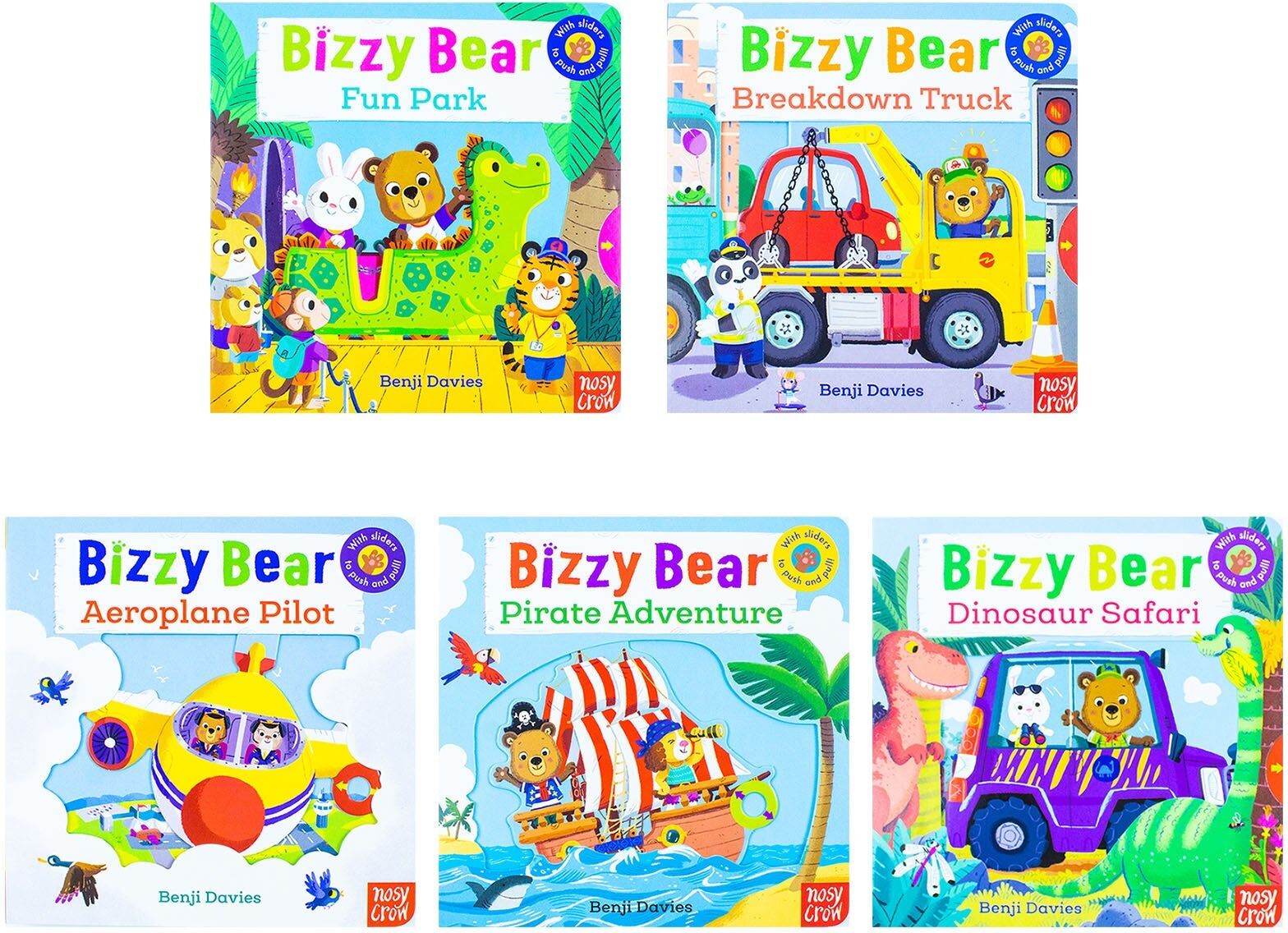
Nosy Crow Bizzy Bear Series 5 Books Collection Bundle Set(Fun Park, Breakdown Truck, Aeroplane Pilot, Pirate Adventure & Dinosaur Safari)(With Sliders to Push aBizzy Bear Series 5 Books Collection Bundle Set(Fun Park, Breakdown Truck, Aeroplane Pilot, Pirate Adventure & Dinosaur Safari)(With Sliders to Push and Pull!): Bizzy Bear: Fun Park: An engaging little story with loads of details to spot and chat about.This story needs YOU! By pushing, pulling and turning the mechanisms, little hands can move the story onto the next scene and bring the rhyming text to life! Bizzy Bear: Breakdown Truck: When the rabbit family's car breaks down, who do they call? Bizzy Bear, of course! Little readers will love to use the chunky mechanisms to help him drive his breakdown truck, check the car's engine, and get the family safely home! An engaging little story with loads of details to spot and chat about. Bizzy Bear: Aeroplane Pilot: Bizzy Bear and his flight crew are taking to the skies! Little readers will love to use the chunky mechanisms to help Bizzy take off and land in this robust board book all about flying. With wonderfully detailed illustrations by Benji Davies, it's perfect for engaging the very young. Bizzy Bear: Pirate Adventure: All aboard with Bizzy Bear, as he sets sails on an exciting voyage to a desert island! Today, Bizzy Bear is packing his ship, hoisting the jolly roger and setting sail on an exciting pirate adventure! All little readers will love helping Bizzy steer his ship, dig for treasure and open the treasure chest. Bizzy Bear: Dinosaur Safari: Five easy to move sliders, a rhyming story and lots to spot and say in this series of bright, interactive board books for toddlers! On a visit to the Dinosaur Wildlife Park, Bizzy Bear discovers some interesting footprints. Where do they lead and to which dinosaur do they belong?14,99 £*Shipping: 2,99 £Secure redirect to the provider
-
How can one distinguish ionic compounds from molecular compounds?
Ionic compounds are formed from the attraction between positively and negatively charged ions, while molecular compounds are formed from the sharing of electrons between atoms. One way to distinguish between the two is to look at their chemical formulas. Ionic compounds typically consist of a metal and a nonmetal, while molecular compounds consist of nonmetals only. Additionally, ionic compounds tend to have higher melting and boiling points compared to molecular compounds due to their strong electrostatic attractions. Finally, conducting a simple solubility test can also help distinguish between the two types of compounds, as ionic compounds are often soluble in water while molecular compounds may not be. **
-
How do you distinguish determinative compounds and possessive compounds?
Determinative compounds are formed by combining two words to create a new concept, where the first word determines the meaning of the second word. For example, "blackboard" is a determinative compound where "black" determines the type of "board." Possessive compounds, on the other hand, indicate possession or relationship between the two words. For example, "John's car" is a possessive compound where "John" possesses the "car." In summary, determinative compounds determine the meaning of the second word, while possessive compounds indicate possession or relationship between the two words. **
-
Can you help me with chemistry? I need information about atomic compounds, metal compounds, and ionic compounds.
Of course! Atomic compounds are formed when two or more non-metal atoms are chemically bonded together, such as in molecules like water (H2O) and carbon dioxide (CO2). Metal compounds are formed when a metal atom is bonded to one or more non-metal atoms, such as in compounds like sodium chloride (NaCl) and iron oxide (Fe2O3). Ionic compounds are formed when a metal atom transfers one or more electrons to a non-metal atom, resulting in the formation of positively and negatively charged ions that are attracted to each other, such as in compounds like sodium chloride (NaCl) and calcium carbonate (CaCO3). Let me know if you need more specific information or examples! **
-
Why do molecular compounds have lower boiling points than ionic compounds?
Molecular compounds have lower boiling points than ionic compounds because the intermolecular forces holding the molecules together are generally weaker than the electrostatic forces holding ions together in ionic compounds. In molecular compounds, the intermolecular forces are typically van der Waals forces, dipole-dipole interactions, or hydrogen bonding, which are weaker than the strong ionic bonds in ionic compounds. As a result, less energy is required to overcome these weaker intermolecular forces, leading to lower boiling points for molecular compounds compared to ionic compounds. **
Similar search terms for Compounds
-
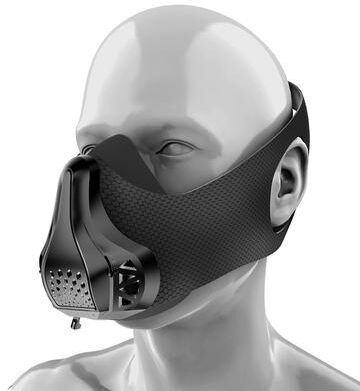
ModernMart Altitude Boost Training Mask For Running, Cardio & Endurance Fitness Altitude Boost Training Mask For Running, Cardio & Endurance FitnessBuilt to push limits, this _training mask_ transforms everyday workouts into highintensity performance sessions. Designed for runners, cyclists, gym athletes, and endurance trainers, it uses adjustable airflow resistance to help strengthen breathing...44,97 $*Shipping: 0,00 $Secure redirect to the provider
-
Viz Media JoJo's Bizarre Adventure Part 5- Golden Wind Series 4 Books Collection Set (Vol 6-9) by Hirohiko ArakiJoJo's Bizarre Adventure Part 5- Golden Wind Volumes 6 - 9: JoJo's Bizarre Adventure Part 5- Golden Wind Vol 6 The gang has managed to keep Trish alive so far, but only barely. As their desperate mission continues, Giorno and his allies risk their lives again and again. Now, something different is happening. They may finally gain the upper hand when Trish begins to show signs of a hidden power herself… JoJo's Bizarre Adventure Part 5- Golden Wind Vol 7 There is no progress without sacrifice… Giorno and the gang have survived long enough to secure an earth-shattering secret about the boss, but it may cost them their lives! Then, Bruno Bucciarati faces off alone against a powerful enemy, but a face from the past emerges during the bitter battle. Is this the surprise return of an old friend or the introduction of a new foe?! JoJo's Bizarre Adventure Part 5- Golden Wind Vol 8 Secco and Bruno Bucciarati are going head-to-head, quickly shifting between traveling underground and through zippers with their Stand powers in an attempt to gain the upper hand. Bucciarati has never faced a threat like this, but will the mysterious changes to his body and his enemy’s overwhelming power crush him, or can he eke out a win just in time? JoJo's Bizarre Adventure Part 5- Golden Wind Vol 9 Giorno Giovanna, Bruno Bucciarati, and the surviving members of the gang have found themselves in the presence of the Boss, and his Stand ability appears to be invincible. After a long fight across Italy, after surviving so many battles and losing so many friends, the gang may not have a chance…but they haven’t given up yet, and they don’t plan to now. They’ll need everything they’ve got—and maybe even a whole lot more than that—to survive what the Boss has in store for them!42,95 £*Shipping: 0,00 £Secure redirect to the provider
-
Name the isomeric compounds.
Isomers are compounds that have the same molecular formula but different structural arrangements. Some examples of isomeric compounds include butane and isobutane, which both have the molecular formula C4H10 but differ in their structural arrangement. Another example is glucose and fructose, which both have the molecular formula C6H12O6 but have different structural arrangements and properties. **
-
What are sodium compounds?
Sodium compounds are chemical compounds that contain sodium as one of their elements. These compounds can be found in various forms, such as sodium chloride (table salt), sodium hydroxide (lye), and sodium bicarbonate (baking soda). Sodium compounds are widely used in industry, agriculture, and everyday life due to their diverse properties and applications. **
-
What are atomic compounds?
Atomic compounds are chemical compounds that are composed of individual atoms of different elements bonded together. These compounds are held together by chemical bonds, such as ionic or covalent bonds, and do not contain any molecules. Examples of atomic compounds include sodium chloride (NaCl) and water (H2O). Unlike molecular compounds, which are made up of molecules, atomic compounds are made up of individual atoms. **
-
What are molecular compounds?
Molecular compounds are chemical compounds formed by the combination of two or more non-metal atoms. These atoms are held together by covalent bonds, which involve the sharing of electrons. Molecular compounds can exist as discrete molecules, such as water (H2O) and carbon dioxide (CO2), and they typically have lower melting and boiling points compared to ionic compounds. Examples of molecular compounds include methane (CH4), ammonia (NH3), and sulfur dioxide (SO2). **
* All prices are inclusive of VAT and, if applicable, plus shipping costs. The offer information is based on the details provided by the respective shop and is updated through automated processes. Real-time updates do not occur, so deviations can occur in individual cases. ** Note: Parts of this content were created by AI.